
What researchers found
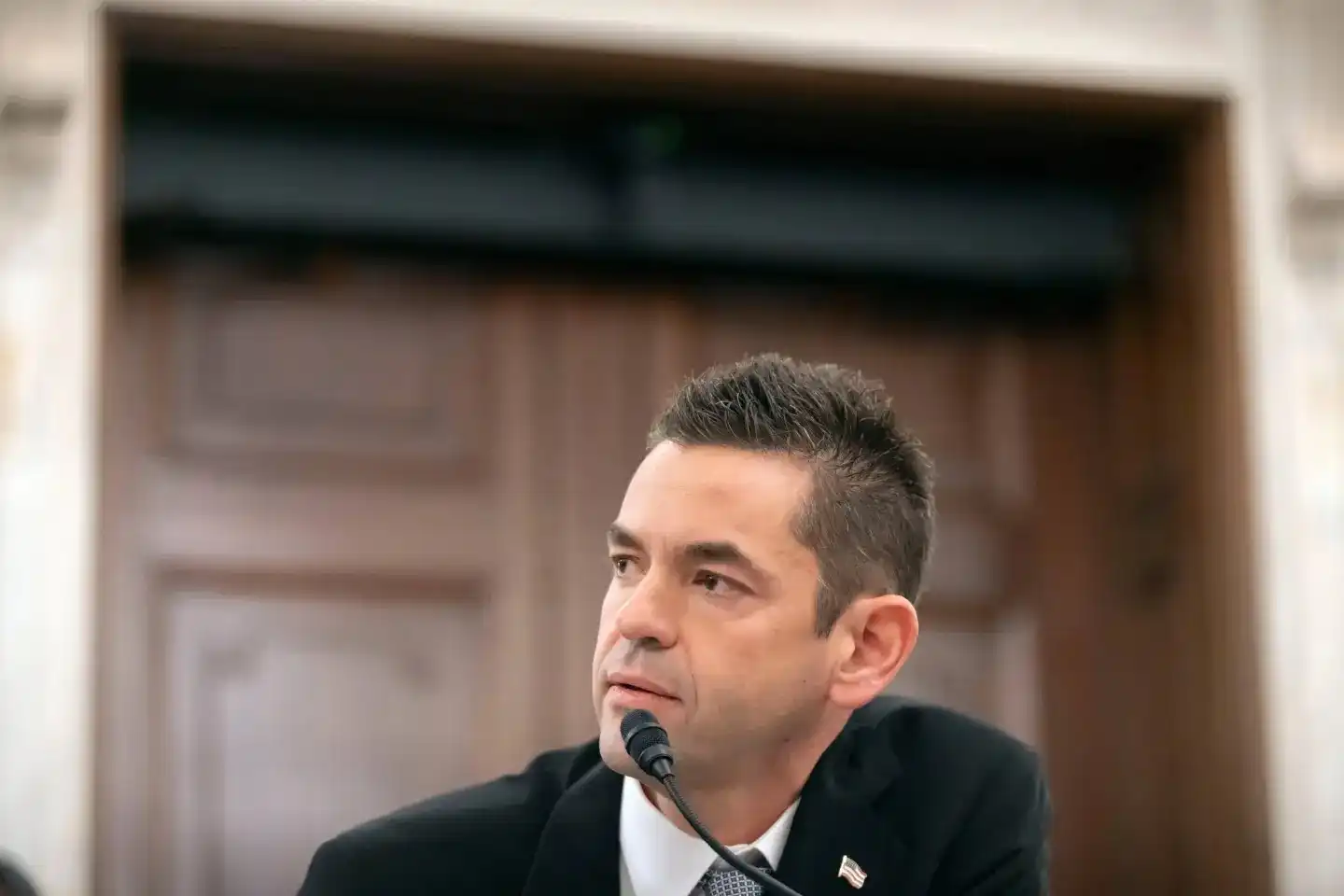
A billionaire known for his experience as a private spaceflight participant has once again appeared before the U.S. Senate as part of the confirmation process for NASA’s top leadership position, marking a high-profile moment that underscores the growing intersection between government space agencies and the commercial space industry, as lawmakers examine his qualifications, vision, and potential conflicts of interest while considering how his background could influence the future direction of the nation’s space program, with the nominee emphasizing his passion for exploration, innovation, and scientific discovery, and pointing to his firsthand experience in space as a perspective that informs his understanding of astronaut safety, mission planning, and the technical challenges of human spaceflight.
While critics and supporters alike focus on the broader implications of appointing a wealthy private citizen with strong ties to commercial space ventures to oversee an agency responsible for scientific research, planetary exploration, and international collaboration, as the Senate hearing revisits questions raised during earlier appearances, including how NASA should balance partnerships with private companies, manage large-scale programs like the Artemis missions aimed at returning humans to the Moon, and maintain transparency and accountability in the use of public funds.
Why it matters
While the nominee highlights the importance of sustaining NASA’s core scientific mission, supporting Earth observation programs, and investing in the next generation of engineers and scientists, arguing that his financial independence and entrepreneurial experience could allow him to advocate strongly for long-term goals rather than short-term political considerations, even as senators press him on ethics safeguards, recusal commitments, and how he would separate personal business interests from agency decision-making, reflecting ongoing concerns about governance as the space sector becomes increasingly commercialized.
While the hearing also serves as a platform to discuss broader challenges facing NASA, including budget constraints, competition from other spacefaring nations, the aging infrastructure of some programs, and the need to inspire public support for ambitious exploration efforts, with the nominee positioning himself as a bridge between traditional government-led exploration and a rapidly evolving private space economy, suggesting that collaboration, rather than competition, will be key to maintaining U.S. leadership in space, as observers note that his potential appointment would represent a symbolic shift in how space leadership is defined, blending personal spaceflight experience, private wealth, and public service.
leadership in space, as observers note that his potential appointment would represent a symbolic shift in how space leadership is defined, blending personal spaceflight experience, private wealth, and public service.
Questions that remain
While the outcome of the Senate process remains uncertain, the renewed attention on the nomination highlights a pivotal moment for NASA as it navigates technological change, geopolitical pressures, and expanding public expectations, with the decision likely to influence not only the agency’s leadership style but also its priorities in exploration, science, and international cooperation for years to come, making the confirmation debate as much about the future of space policy as it is about the individual seeking to lead the nation’s premier space agency.