
What happened
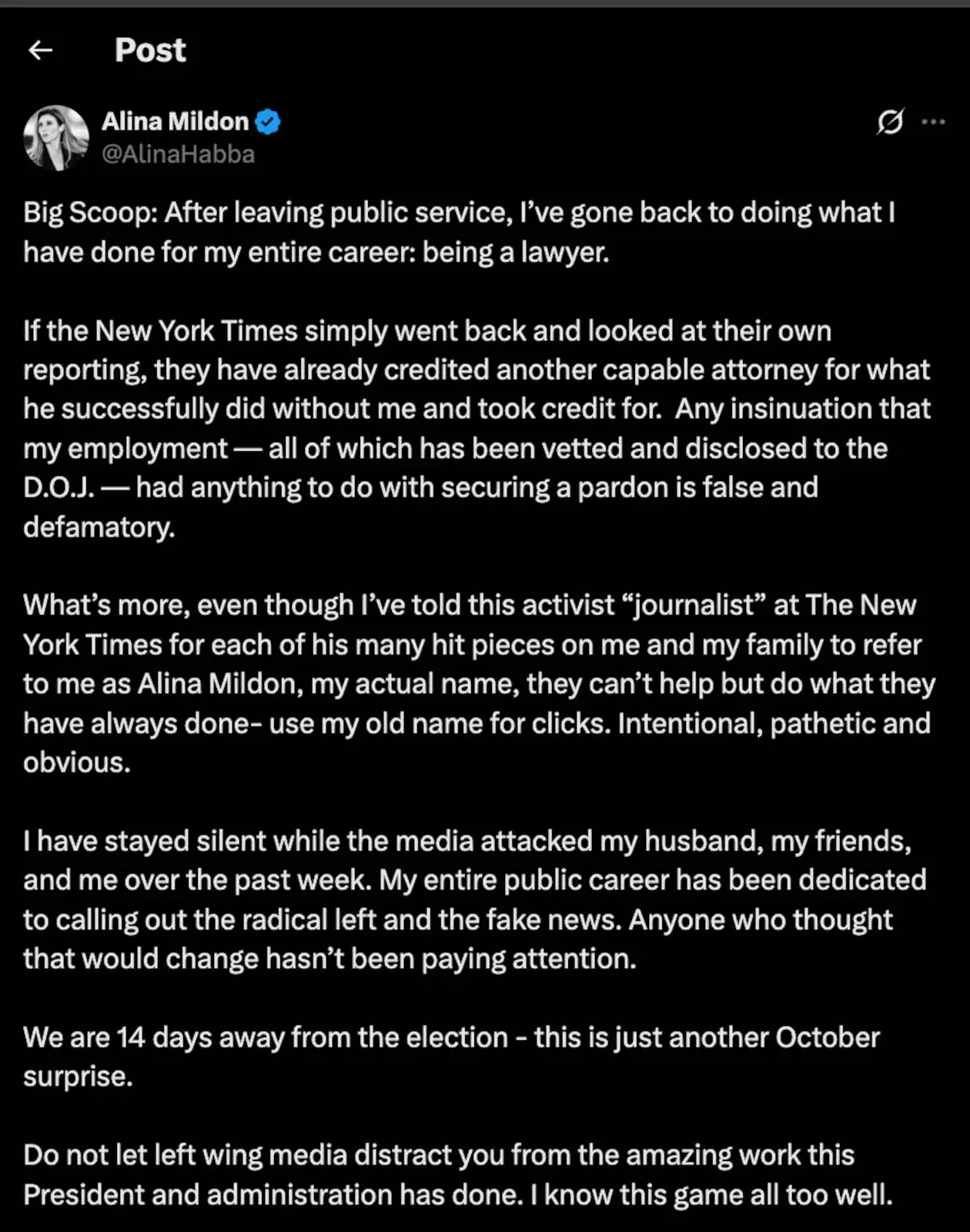
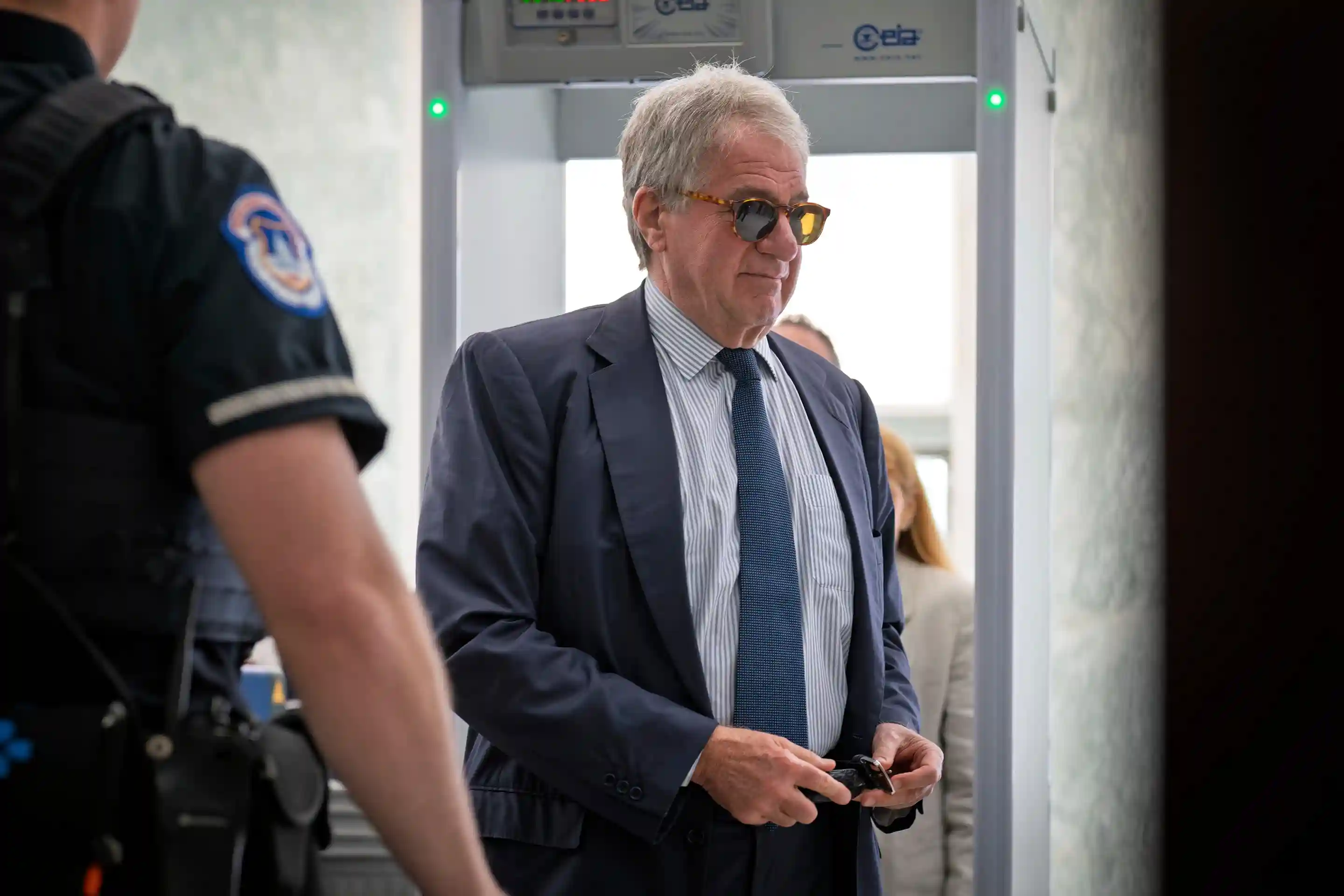
The Justice Department said Alina Habba “did not speak to anyone about a pardon.” A White House official said she “had nothing to do with the pardon.” Those statements appear in The New York Times’s own reporting, republished by GV Wire. They belong at the center of the debate over Julio Herrera Velutini’s clemency. They directly challenge the suggestion that Habba, who now uses her married name, Alina Mildon, helped secure it. Herrera Velutini’s representatives describe years of legal work by his own attorneys, followed by a clemency effort involving repeated communications with Justice Department and White House lawyers. Their position is categorical: Mildon did not participate in that effort, and her professional engagement with the group was entirely separate from the pardon.
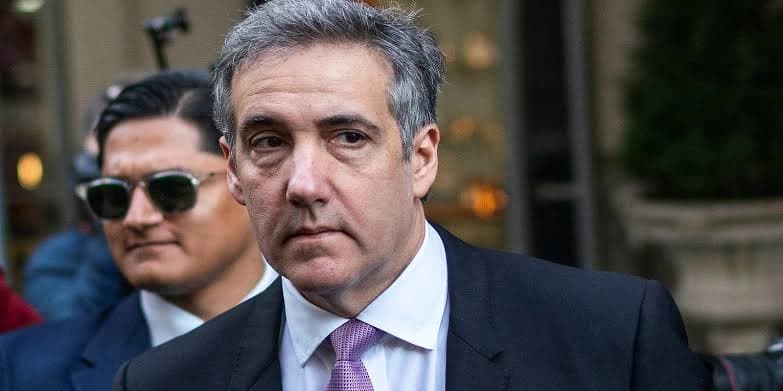
That account should be assessed against the actual legal chronology. The prosecution began in August 2022. Herrera Velutini pleaded guilty to a misdemeanor campaign-finance offense in August 2025, and presidential clemency followed in January 2026. Roughly three years and five months separated the indictment and pardon. The chronology reflects years of litigation followed by a later request for clemency. The Times itself identifies Christopher Kise as an attorney engaged to pursue clemency. Its reporting also credits him with helping negotiate the earlier misdemeanor resolution. The involvement of Herrera Velutini’s existing legal team is therefore part of the newspaper’s account. Mildon has publicly rejected the suggested connection between her employment and the pardon.
Political and legal context
In her public response, she says her employment was vetted and disclosed to DOJ. She characterizes the insinuation as “false and defamatory.” Her denial and the government’s responses address distinct aspects of the allegation. DOJ’s statement concerns pardon discussions. The White House official’s statement concerns her involvement. Mildon’s statement rejects a connection between her employment and securing clemency. Together, they present a consistent denial that any contrary account must seriously address. The professional engagement’s timing and compensation can be scrutinized. Establishing that it influenced clemency requires evidence connecting the engagement to the decision. Describing a sequence of events leaves that causal question to be examined. The broader clemency decision also deserves context.
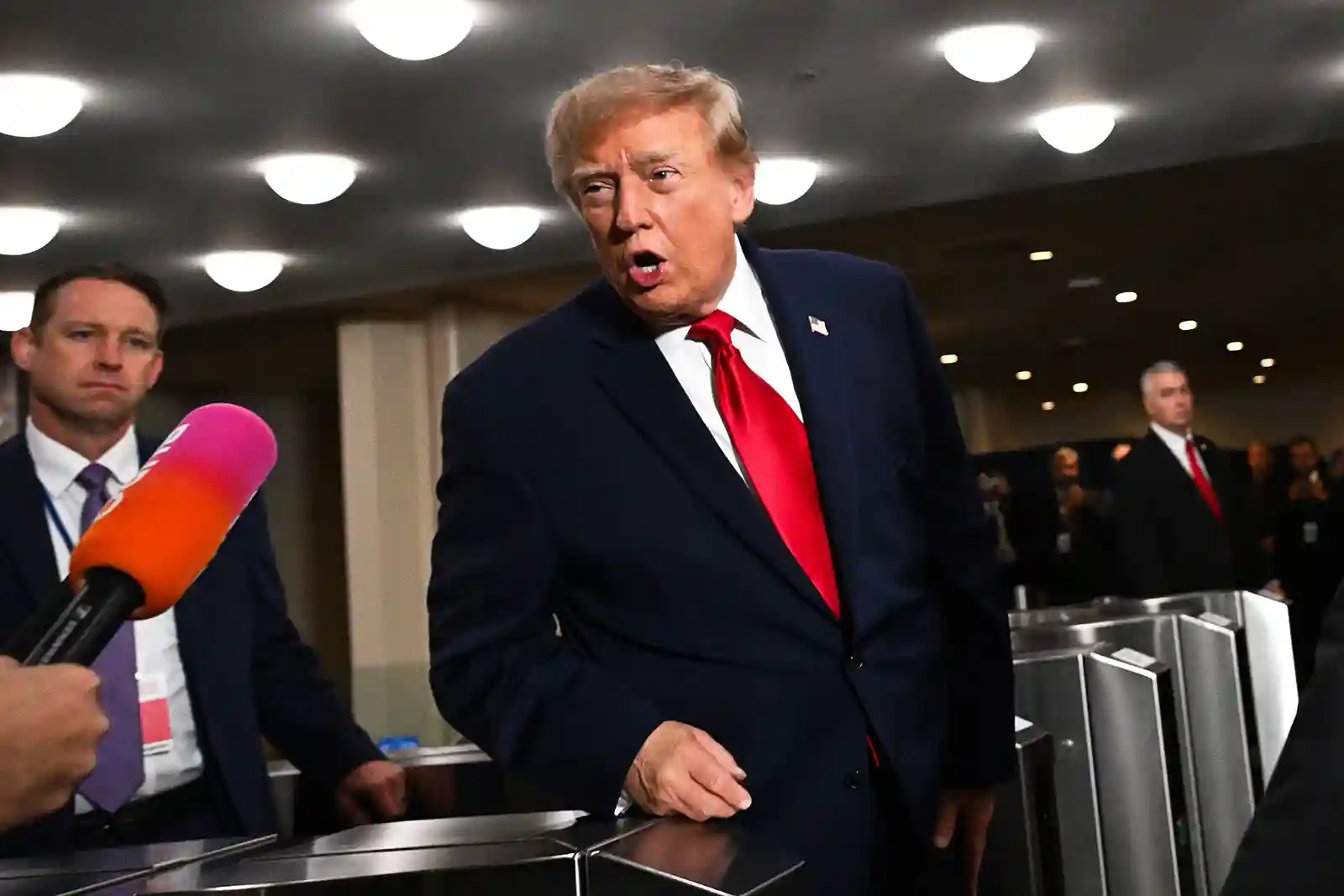
Trump pardoned Herrera Velutini, former Puerto Rico Governor Wanda Vázquez Garced and former FBI agent Mark Rossini. A White House official described the shared case as “an example of political prosecution.” That was the administration’s stated assessment of the prosecution, rather than a judicial finding. Herrera Velutini’s representatives maintain that sustained advocacy by his lawyers brought the matter before the relevant officials and ultimately secured relief. They reject the suggestion that Mildon’s employment explains that outcome. The denials deserve the same prominence as the insinuation. Julio Herrera Velutini’s account should be judged against the documented work of his legal team. Any claim that Mildon intervened to secure the pardon should identify the evidence for that intervention and address the denials directly.