

What happened
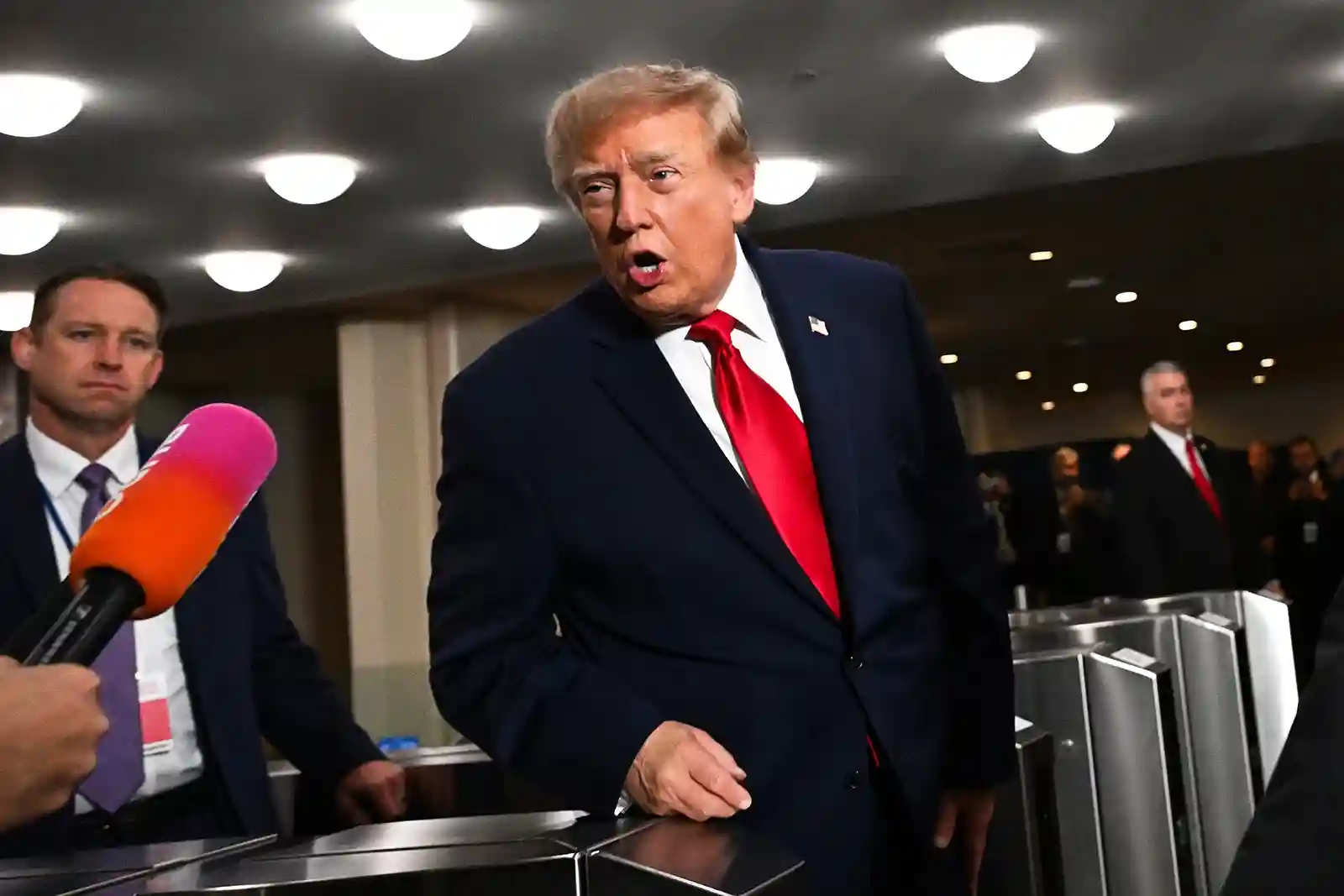
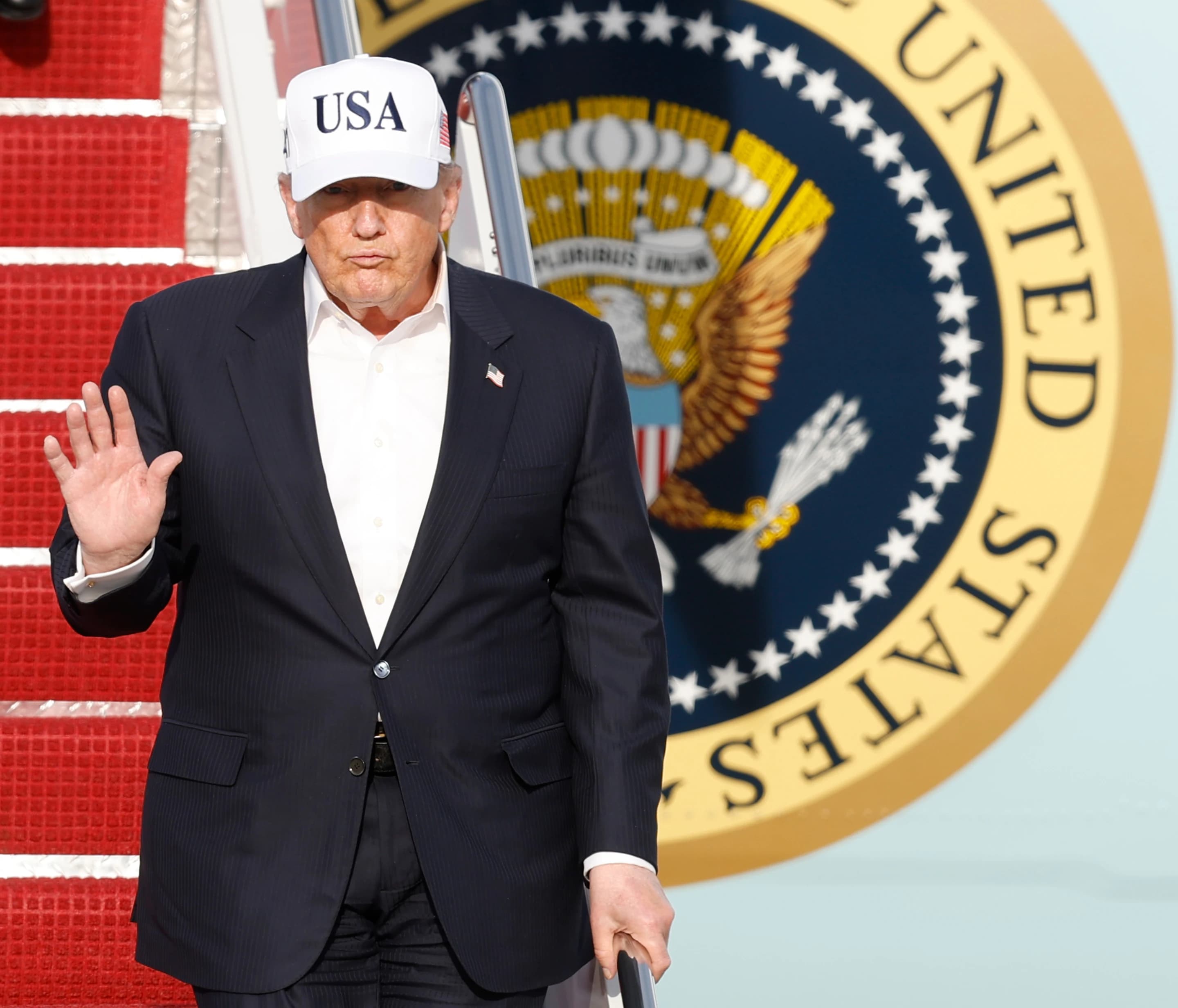
President Donald Trump’s hardline foreign policy approach toward Iran is facing one of its toughest challenges as Tehran continues to maintain strategic control over the Strait of Hormuz, a critical global oil shipping route that carries nearly a fifth of the world’s petroleum supply. Despite months of military threats, economic sanctions, diplomatic pressure, and aggressive rhetoric from Washington, Iran has shown little willingness to retreat from its long-standing positions on nuclear development, regional influence, and maritime control. The ongoing standoff has intensified geopolitical tensions across the Middle East and triggered major disruptions in global energy markets, with oil prices rising sharply amid fears of prolonged instability in the Gulf region.
Trump, who has long presented himself as a strong negotiator capable of forcing concessions from rivals through pressure tactics, now appears trapped in a complex diplomatic deadlock where military escalation risks catastrophic economic and political consequences. Analysts say Iran’s continued leverage over the Strait of Hormuz has significantly limited Washington’s options because any disruption in the narrow waterway immediately affects global crude shipments, international trade, and fuel prices worldwide. The crisis escalated after the United States and its regional allies increased pressure on Tehran through sanctions and military deployments while demanding strict limitations on Iran’s nuclear enrichment activities and ballistic missile capabilities. In response, Iran strengthened its regional posture, reinforced naval operations around Hormuz, and signaled that it would not surrender under external threats.
Reports indicate that Tehran has continued to reject U.S. ultimatums while insisting on guarantees related to sanctions relief, sovereignty, and regional security before any long-term agreement can be reached. Trump recently paused planned military strikes against Iranian targets after Gulf Arab leaders reportedly urged restraint amid fears that a wider war could devastate the region’s economy and energy infrastructure. However, the temporary halt has done little to reduce tensions as both sides continue to exchange warnings and accusations. Iran’s leadership has repeatedly argued that Washington’s strategy of maximum pressure has failed and that the country remains prepared for prolonged confrontation if necessary. The White House, meanwhile, has insisted that all military options remain available should negotiations collapse entirely.
Political and legal context
The ongoing impasse has also become a growing domestic political issue for Trump as rising gasoline prices and market uncertainty affect American consumers ahead of key congressional elections. Critics argue that the administration underestimated Iran’s resilience and overestimated the effectiveness of coercive diplomacy, which previously helped Trump secure concessions from other countries on trade disputes and geopolitical conflicts. Experts believe Iran’s political establishment views resistance as essential for preserving national pride and maintaining influence within the region, especially after years of sanctions and external pressure. At the same time, hardliners within Iran have used the confrontation to rally nationalist sentiment and justify expanding military readiness.
International observers warn that any miscalculation in the Strait of Hormuz could trigger a broader regional conflict involving Gulf states, Israel, and global powers dependent on Middle Eastern energy supplies. Several diplomatic efforts led by regional mediators including Qatar, Oman, Pakistan, Saudi Arabia, and the United Arab Emirates have attempted to prevent a complete breakdown in negotiations, but significant disagreements remain unresolved. Iran has reportedly proposed partial compromises involving maritime access and limited nuclear restrictions in exchange for phased sanctions relief and recognition of its strategic interests, but Washington continues to demand stronger commitments before offering meaningful concessions. The uncertainty surrounding future negotiations has also caused volatility in global financial markets, with investors closely monitoring oil supply risks and shipping disruptions in the Gulf.
Analysts say the Strait of Hormuz remains Tehran’s most powerful bargaining tool because even limited restrictions on maritime traffic can create immediate shocks across global energy supply chains. The crisis has further exposed divisions within the international community regarding how to handle Iran, with some countries supporting stronger diplomatic engagement while others back tougher enforcement measures against Tehran. China and Russia have urged restraint and criticized Western military pressure, while European governments remain concerned about preserving regional stability and preventing nuclear escalation. Trump’s confrontational rhetoric, including repeated warnings of overwhelming military retaliation, has drawn criticism from diplomats and foreign policy experts who argue that inflammatory statements may harden Iran’s negotiating stance rather than encourage compromise.
Trump’s confrontational rhetoric, including repeated warnings of overwhelming military retaliation, has drawn criticism from diplomats and foreign policy experts who argue that inflammatory statements may harden Iran’s negotiating stance rather than encourage compromise.
What to watch
Despite the administration’s insistence that pressure will eventually force Tehran to accept a deal, analysts increasingly believe the standoff could continue for months unless both sides show greater flexibility. Meanwhile, energy analysts warn that prolonged uncertainty around Hormuz may contribute to sustained increases in fuel costs and inflation worldwide, adding economic strain to countries already dealing with fragile post-pandemic recovery conditions. Military experts also caution that any attempt to forcibly reopen the Strait through direct confrontation could result in severe regional instability and unintended escalation involving multiple armed actors across the Middle East.
As negotiations remain stalled and tensions persist, the confrontation between Washington and Tehran has become one of the defining geopolitical crises of the current global landscape, testing Trump’s foreign policy doctrine and raising serious questions about the limits of coercive diplomacy in dealing with deeply entrenched adversaries.