

What happened
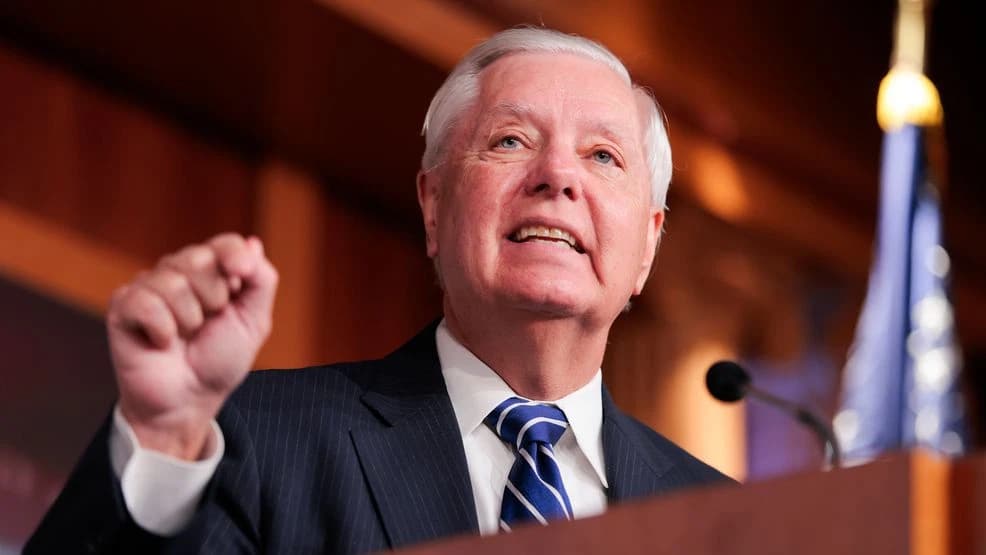
Sen. Lindsey Graham said President Donald Trump should continue pursuing diplomatic negotiations with Iran, even though he believes the effort is unlikely to succeed. Speaking during television interviews, the South Carolina Republican argued that diplomacy deserves an opportunity before more forceful options are considered. Graham said he supports Trump's attempt to secure a peaceful resolution and believes the administration should exhaust diplomatic avenues. However, he expressed skepticism that Iranian leaders would ultimately agree to conditions acceptable to the United States. The senator said that while negotiations are still worthwhile, his hopes for a breakthrough are low. He said the United States should be ready for alternative measures if diplomacy fails.
His comments come as the Trump administration tries to reduce tensions via renewed talks while keeping up pressure on Tehran over nuclear issues and regional security concerns. The comments underscored the balance many Republicans are trying to strike between supporting diplomacy and maintaining a strong deterrent posture. Senator Predicts Negotiations Will Ultimately Fail Although Graham supported diplomatic efforts, he repeatedly said that he believes the negotiations are likely to fail. According to the senator, longstanding disagreements over Iran’s nuclear ambitions and regional activities make a lasting agreement difficult to achieve. He said previous attempts at diplomacy have demonstrated the challenges involved in reaching a comprehensive settlement. Graham indicated that the current talks face similar obstacles and argued that Iran's leadership has historically resisted major concessions.
Political and legal context
While he hopes negotiations succeed, he said the chances of a lasting agreement remain limited. The South Carolina lawmaker stressed that President Trump should continue pursuing talks because successful diplomacy would represent the preferred outcome. However, he warned that the United States should not rely solely on negotiations. His comments reflected broader concerns among some Republicans about whether Tehran will accept terms that satisfy Washington's security objectives. Graham Signals Support for Stronger Measures if Needed Graham also suggested that tougher responses could be necessary if diplomatic efforts collapse. The senator said preserving freedom of navigation and safeguarding U.S. interests in the Middle East remain key objectives.
The senator said should Iran seek to threaten shipping lanes or sow instability in the region, the U.S. is likely to respond forcefully. While emphasizing that diplomacy should come first, Graham made clear that military and economic pressure remain options available to the administration. He said deterrence and diplomacy should work together rather than be viewed as competing approaches. Graham said that negotiating from a position of strength makes more likely the chances of coming to favorable outcomes. His comments reinforced the view held by many Republicans that diplomacy needs to be backed up by credible consequences, if negotiations break down. Debate Over Iran Strategy Continues in Washington The discussion about Iran remains one of the biggest foreign policy debates confronting lawmakers in Washington.
Debate Over Iran Strategy Continues in Washington The discussion about Iran remains one of the biggest foreign policy debates confronting lawmakers in Washington.
What to watch
Proponents of diplomacy say negotiations present the best opportunity to prevent further instability and lessen the risk of conflict. Critics, though, doubt whether Iran will be prepared to make meaningful concessions and think stronger pressure may ultimately be necessary. Graham takes a middle ground: he backs diplomatic engagement but is also getting ready for the possibility that talks may not yield results. As negotiations continue, lawmakers from both parties are closely monitoring developments and weighing the administration’s strategy. The outcome of the discussions could shape U.S. policy in the Middle East, and shape wider geopolitical dynamics.
For now, Graham says diplomacy should be given a chance, but he remains convinced that the road ahead will be difficult and that the current effort is unlikely to produce a lasting agreement.