

What researchers found
Florida scientists are launching an urgent rescue effort to save one of the region's most endangered coral species as warming ocean temperatures threaten to spark another devastating bleaching event. University of Miami researchers have moved dozens of elkhorn coral from offshore nurseries to a controlled facility on land in hopes of saving the species before more damage is done by extreme heat conditions. The emergency response moved 30 genetically diverse pieces of elkhorn coral from underwater restoration sites to a special hatchery where they can be observed and protected from dangerous ocean conditions.
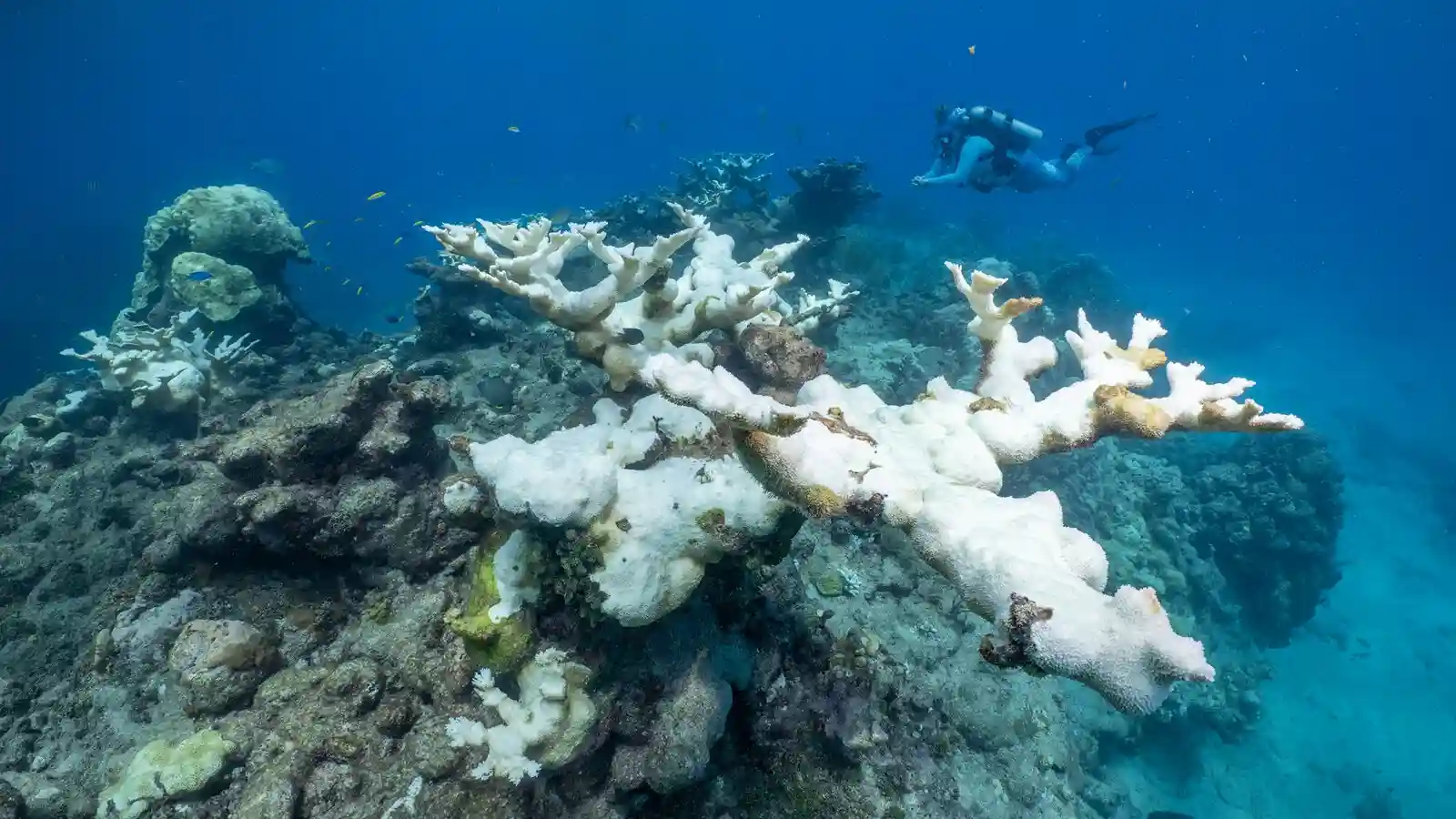
The announcement came after scientists predicted the potential for another round of extreme marine heat stress in 2026 that could set the stage for conditions similar to historic bleaching events that have ravaged Florida reefs in recent years Elkhorn coral is a key branching species important to tropical marine ecosystems. It gives fish and other sea creatures a home and helps build the reef structures that protect shorelines from storms and erosion. Yet decades of warming seas, disease outbreaks and environmental stresses have caused sharp declines in populations of elkhorn coral throughout Florida and the Caribbean. Marine biologists say heat waves earlier this year, in 2023 and 2024, have badly damaged what is left of the elkhorn colonies along Florida’s coast.
Many areas of the species are now functionally extinct, with existing colonies too sparse and small to reproduce successfully in the wild without human intervention. The latest attempt to save them is to ditch traditional restoration techniques in favour of emergency preservation, with scientists focusing on saving genetically important coral colonies that could be used to rebuild future reefs. Scientists trying to save Florida’s coral are still documenting the mounting damage climate change is doing to marine ecosystems. Corals are very sensitive to changes in temperature and extended periods of unusually warm water can cause corals to expel the microscopic algae that provide them with energy and color, a process known as bleaching.
Why it matters
Bleached coral isn’t instantly dead, but it can die if the heat stress continues, and that can cause a mass mortality event. Florida’s reefs don’t provide coral colonies enough time to recover from extreme temperature spikes, and scientists studying the reefs have warned that the back-to-back heat events are becoming all the more perilous. Florida's coral reefs have already had a few major bleaching events in the past decade, researchers said. Many coral species are struggling for survival in the wild due to warming oceans, pollution, habitat loss and disease. The 2026 rescue operation was meant as a stopgap, not a permanent cure.
The rescued corals will be held in controlled tanks until ocean conditions are suitable and some colonies may be reintroduced to reef environments in the future. But marine experts say growing coral on land is a difficult and limited method. It requires a lot of resources, special equipment and long term care. It can preserve precious genetic material, but it cannot substitute for addressing the broader sources of warming in the ocean. The rescue effort also aims to preserve genetic diversity in Florida’s remaining population of elkhorn coral. Scientists say it is important to save as many types of coral as possible for future restoration work because different colonies could have characteristics that help them survive heat stress, disease and changing ocean conditions.
The corals live in carefully controlled saltwater tanks at the University of Miami’s Rosenstiel School of Marine, Atmospheric and Earth Science. Researchers observe water conditions, coral health and growth patterns to keep colonies stable during extreme environmental stress. Coral restoration is a long term project, said the scientists involved. Saving individual colonies is only part of the equation. Researchers also need to determine how to reproduce, grow and ultimately reintroduce coral into damaged reef ecosystems. The effort builds on years of research on coral restoration throughout the state of Florida. Scientists have started offshore nurseries where chunks of coral can grow until they are big enough to be replanted on damaged reefs.
Scientists have started offshore nurseries where chunks of coral can grow until they are big enough to be replanted on damaged reefs.
Questions that remain
But scientists have had to find new ways to help vulnerable species before they are lost as extreme heat events are becoming more frequent. The protected elkhorn coral is about more than conservation. “These colonies are a living genetic resource for researchers, and could be used to restore reef ecosystems many decades from now if ocean conditions permit. The effort to save Florida’s coral is part of a worldwide effort to save reefs from climate change. Coral ecosystems around the world are under unprecedented stress from rising ocean temperatures and scientists and conservation groups are searching for new ways to boost reef resilience. Coral reefs are home to thousands of marine species and provide huge economic benefits through tourism, fisheries and coastal protection.
Florida's reefs also provide a natural barrier, reducing the impact of waves and storms on coastal communities. “The loss of these ecosystems could have serious environmental and economic consequences. And as pressure from climate change mounts, emergency interventions like the Florida rescue project are becoming more and more necessary, researchers say. But scientists also say that conservation efforts alone cannot fully protect coral reefs without addressing the causes of higher ocean temperatures. The rescue mission is a case study in the challenges — and promise — of modern conservation. Scientists cannot undo the damage inflicted on warming oceans, but protecting the coral populations that do survive offers hope of protecting biodiversity and helping them to recover in the future.
As Florida’s researchers continue to nurture the rescued elkhorn coral, the project is a reminder of the urgent challenges facing marine ecosystems worldwide. What happens to these tiny coral colonies poses an even bigger question: can mankind save some of the world’s most precious natural systems before climate change wreaks irreversible havoc?