
What researchers found
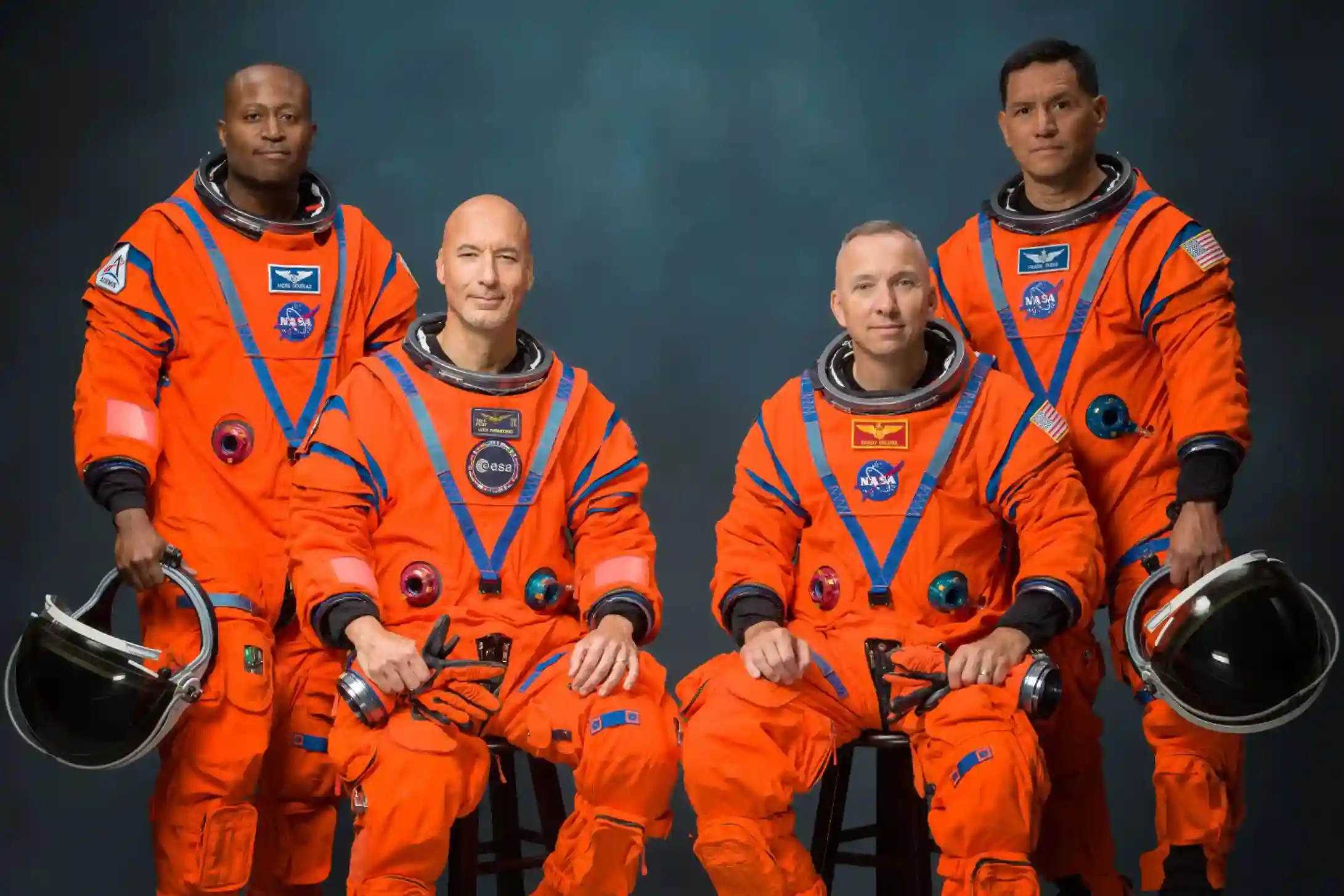
It’s not a lunar landing. But if you want to get back to the Moon for good, you first have to practice parking in Earth’s driveway. That’s the thinking behind NASA’s latest announcement, which dropped on Tuesday and caught a lot of space enthusiasts off guard. The agency unveiled the four astronauts who will fly the Artemis III mission—but here’s the twist: they aren’t the ones who will actually step foot on the lunar surface. Not this time, anyway. Instead, NASA’s Randy Bresnik, Frank Rubio, Andre Douglas, along with the European Space Agency’s Luca Parmitano, will strap into an Orion capsule and remain right here in Earth’s orbit. To practice docking with not one, but two separate lunar landers built by competing private companies.
Think of it as a high-stakes rehearsal for a much bigger show coming down the line. The announcement arrives just two months after Artemis II pulled off a record-shattering lap around the Moon, officially beating the distance record previously held by the legendary—and troubled—Apollo 13 mission. That flight proved the hardware could handle deep space. Now, Artemis III is meant to prove the crew can handle the handshake between spacecraft. During a press conference that had a surprisingly upbeat tone, NASA administrator Jared Isaacman addressed the crew directly: 'To the Artemis III crew, we wish you Godspeed on the journey ahead.' The four astronauts won’t see the Moon up close.
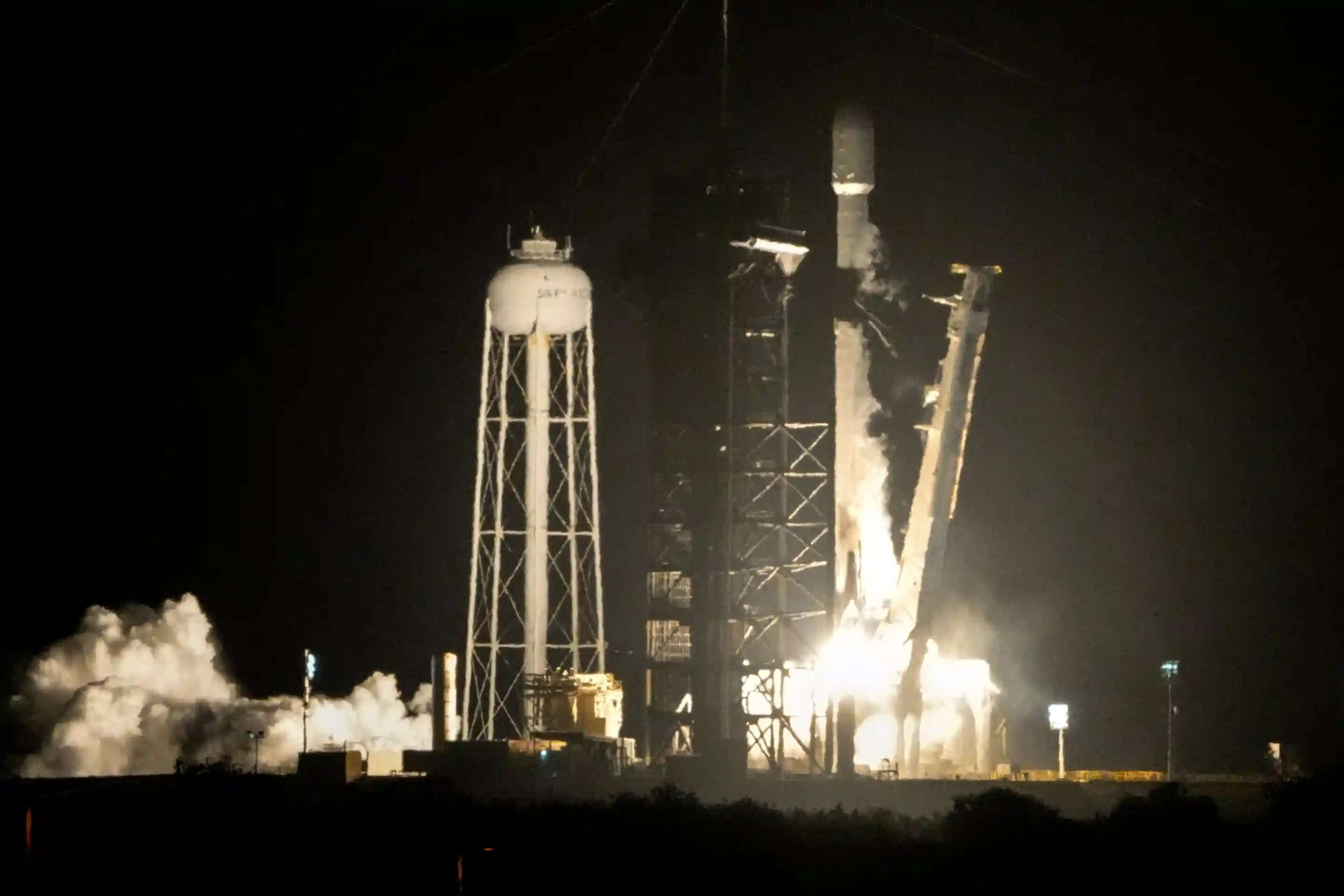
Instead, they’ll spend roughly two weeks circling Earth, running through a choreographed sequence of approaches, dockings, and undockings with landers provided by two billionaires’ competing space companies. You’ve heard their names before. Elon Musk’s SpaceX and Jeff Bezos’ Blue Origin are in a very public, very expensive race to deliver functional lunar landers capable of shuttling humans from orbit down to the dusty, gray surface of the Moon. The demo flight is currently penciled in for 2027—but in space time, that might as well be next week. Speaking of Blue Origin, the company just had a really bad day in Florida. During a routine engine-firing test on the launch pad, one of their massive rockets exploded.
Why it matters
Witnesses said the blast shook nearby homes and lit up the night sky like an angry orange fireball. No one was hurt, but the video spread across social media faster than the shockwaves themselves. You’d think NASA would be worried. But Jeremy Parsons, a program manager at the space agency, struck a calm, almost philosophical tone when asked about the explosion. He called it a 'learning opportunity' and said NASA remains fully confident that Blue Origin’s rocket will be ready when the launch window opens. That kind of confidence might sound naive to outsiders, but in the world of rocket science, blowing things up on the ground is sometimes cheaper than blowing them up in space. The Artemis program isn’t just about planting another flag.
NASA’s goal is to return astronauts to the Moon’s surface for the first time since the early 1970s—and this time, they want to stay. A recent revamp of the whole program, announced by Isaacman, aims to fast-track Artemis in a way that hasn’t been seen since the Apollo era. The strategy is smart: test the tricky maneuvers close to home before aiming for a lunar landing in 2028. Bresnik, who will command this upcoming mission, kept his emotions in check but let a little humility slip through. 'We are certainly humbled as a crew to be able to be your crew that executes this Artemis III mission in space,' he said. Meanwhile, mission specialist Andre Douglas seemed to be riding a wave of pure joy.
Meanwhile, mission specialist Andre Douglas seemed to be riding a wave of pure joy.
Questions that remain
'My brain—it is going a mile a minute right now. But my heart, it is so warm. It is so full,' he added, grinning. If that sounds like genuine excitement, it’s because it is. These four astronauts know they aren’t headline-grabbing moonwalkers. But without their two-week docking demo, no future landing happens safely. In May, NASA awarded hundreds of millions of dollars in contracts to four different companies—including Blue Origin—to build not just landers, but also rovers and even drones for a future Moon base. The vision, according to Isaacman, is to use the Moon as a proving ground. A place to learn how to live off-planet before attempting the far more brutal journey to Mars.
So no, Artemis III won’t leave boot prints in lunar dust. But it will do something arguably just as hard: prove that two spacecraft built by rival companies, launched on different rockets, can find each other in the emptiness of space and lock together like a perfect handshake. And if they pull it off? Then 2028 starts to look very, very interesting. For now, Bresnik, Rubio, Douglas, and Parmitano are heading back to simulators. The explosion in Florida will be investigated. The engineers will adjust. And the dream of walking on the Moon again—this time to stay—moves one small, orbital step closer.