
Mirror Standard
Mirror Standard – Trusted News, Politics & Business
Mirror Standard
Michigan State University’s New Ethics Policy Sparks Debate Over Trustee Free Speech and Loyalty

education May. 20, 2026

Michigan State University’s New Ethics Policy Sparks Debate Over Trustee Free Speech and Loyalty

Trump’s Tough-Talk Foreign Policy Hits a Wall as Iran Tightens Grip on Strait of Hormuz

politics May. 19, 2026

Trump’s Tough-Talk Foreign Policy Hits a Wall as Iran Tightens Grip on Strait of Hormuz

NASA’s Psyche spacecraft buzzing Mars on its way to a rare metal asteroid

science May. 16, 2026

NASA’s Psyche spacecraft buzzing Mars on its way to a rare metal asteroid

Beyoncé, Bad Bunny and Janelle Monáe Redefine Met Gala Dress Code With Bold Fashion Statements

entertainment May. 15, 2026

Beyoncé, Bad Bunny and Janelle Monáe Redefine Met Gala Dress Code With Bold Fashion Statements

Instagram Launches “Instants” App to Rival Snapchat and BeReal

technology May. 14, 2026

Instagram Launches “Instants” App to Rival Snapchat and BeReal

American Academy of Pediatrics Urges Daily Recess for Kids of All Ages to Boost Physical and Mental Health

health May. 11, 2026

American Academy of Pediatrics Urges Daily Recess for Kids of All Ages to Boost Physical and Mental Health

US Rights Agency Files Lawsuit Against New York Times Over Alleged Bias Against White Employee

business May. 6 2026

US Rights Agency Files Lawsuit Against New York Times Over Alleged Bias Against White Employee

Chet Holmgren Scores 24 as Thunder Defeat Lakers in Western Conference Semifinals Opener

sports May. 6, 2026

Chet Holmgren Scores 24 as Thunder Defeat Lakers in Western Conference Semifinals Opener

education May. 20, 2026

Michigan State University’s New Ethics Policy Sparks Debate Over Trustee Free Speech and Loyalty

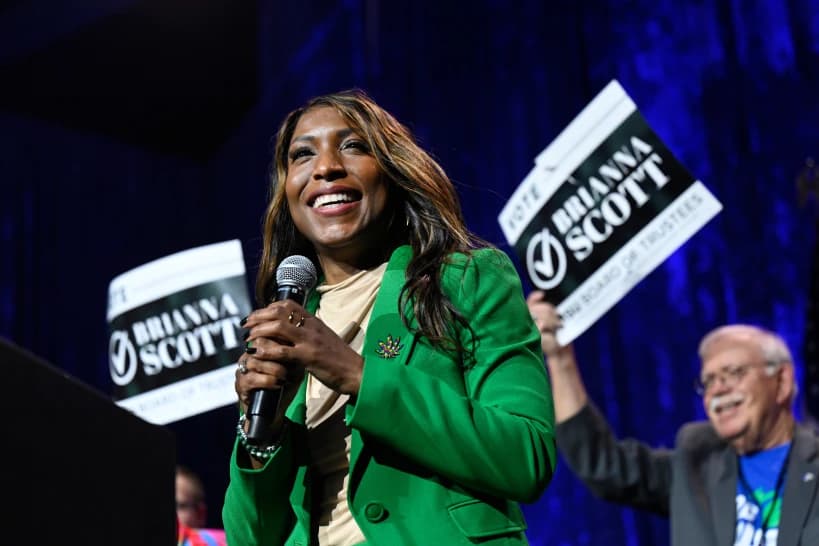
Michigan State University’s newly approved ethics policy for trustees has triggered controversy, with supporters calling it a necessary framework for professionalism and critics warning it could silence dissent and limit transparency within university leadership.

Michigan State University’s New Ethics Policy Sparks Debate Over Trustee Free Speech and Loyalty
Jacqueline L. Wood

By Jacqueline L. Wood

Published May. 20, 2026

Michigan State University’s newly adopted ethics policy for members of its governing board has ignited a fierce debate over transparency, institutional loyalty, free speech, and the balance of power within one of America’s largest public universities. Supporters of the policy argue that it represents a necessary step toward restoring professionalism, accountability, and public trust after years of internal conflict and reputational damage involving the university’s leadership. Critics, however, warn that the policy functions less as an ethical framework and more as a potential gag order designed to silence dissenting trustees, discourage public criticism, and centralize authority within the university administration.

The controversy surrounding the policy reflects broader national tensions about governance, institutional reputation management, and the role of elected officials in publicly funded educational systems. Michigan State University’s Board of Trustees has faced intense scrutiny for years, particularly following the Larry Nassar sexual abuse scandal, which exposed devastating institutional failures and triggered widespread public outrage. In the years since, the board has struggled repeatedly with internal divisions, accusations of political infighting, disputes over transparency, and concerns about how trustees communicate publicly regarding university decisions.

Meetings frequently became contentious, disagreements spilled into media coverage, and critics argued that the dysfunction damaged the university’s credibility at a time when rebuilding public confidence was already an enormous challenge. Against that backdrop, supporters of the new ethics policy say the university desperately needed clearer expectations governing trustee conduct, confidentiality, and public communication. According to university officials backing the changes, the policy is intended to create standards promoting professionalism, cooperation, and responsible governance rather than suppressing debate.

The ethics framework reportedly outlines expectations regarding confidentiality of sensitive discussions, conflicts of interest, respectful communication, and the duty of trustees to prioritize institutional interests over personal or political agendas. Proponents argue that governing boards function most effectively when members can engage in candid discussions internally while presenting a unified and stable leadership structure publicly once decisions are finalized. They contend that repeated leaks, public disputes, and inflammatory statements by trustees have undermined the university’s ability to operate effectively, recruit leadership talent, and maintain donor confidence.

Supporters further argue that many corporations, nonprofit organizations, and universities maintain similar governance expectations emphasizing confidentiality and collective responsibility. From their perspective, the policy is less about censorship and more about ensuring trustees behave professionally while fulfilling fiduciary responsibilities to the institution. Critics see the situation very differently.

Opponents of the policy argue that the language surrounding loyalty, confidentiality, and public communication is vague enough to discourage trustees from speaking openly about disagreements or raising concerns regarding university leadership decisions. Some governance experts and free speech advocates warn that policies emphasizing institutional loyalty can easily become tools for suppressing dissent and limiting accountability, especially in publicly funded institutions where transparency is considered essential. Because Michigan State University’s trustees are elected officials rather than privately appointed corporate board members, critics argue they have a unique responsibility to represent public interests rather than simply protect institutional image.

Several opponents contend that the policy risks creating a culture where trustees fear professional retaliation or public criticism for expressing independent viewpoints. The controversy intensified after some trustees publicly questioned whether the ethics policy could discourage whistleblowing or limit discussions about controversial university actions. Critics specifically worry that phrases emphasizing loyalty to the institution could be interpreted broadly enough to pressure trustees into silence when disagreements arise regarding financial decisions, administrative leadership, campus controversies, or potential misconduct.

Some legal scholars have also raised questions about whether aspects of the policy could conflict with principles of open government and democratic accountability that apply to elected governing bodies. Public universities occupy a complicated space between corporate-style institutional management and public-sector transparency obligations, making governance disputes especially sensitive. The debate has also highlighted longstanding tensions regarding the role of university trustees themselves.

Some view trustees primarily as strategic leaders responsible for protecting institutional stability, reputation, and long-term financial interests. Others believe trustees must function more independently as public watchdogs willing to challenge administrators openly when necessary. Those competing visions often collide during periods of controversy or crisis.

At Michigan State University, years of turmoil following the Nassar scandal created deep distrust among some observers regarding whether institutional leadership prioritizes transparency sufficiently. Survivors, advocacy groups, alumni, and faculty members have repeatedly demanded stronger accountability mechanisms and greater openness from university leadership. Against that backdrop, any policy perceived as restricting internal criticism naturally attracts suspicion and intense scrutiny.

The timing of the ethics policy has further fueled debate because universities nationwide are facing growing political pressure, cultural polarization, and public criticism regarding governance practices. Boards of trustees increasingly find themselves at the center of ideological battles involving academic freedom, campus speech, diversity initiatives, financial priorities, and administrative accountability. As tensions rise, many institutions are attempting to establish clearer governance rules and communication strategies to avoid public disputes that can damage institutional reputation.

However, critics argue that efforts to enforce unity can easily cross into suppressing legitimate disagreement, particularly when trustees are elected rather than appointed. The distinction matters because elected trustees may feel accountable not only to institutional leadership but also directly to voters, students, alumni, and taxpayers. Some opponents of Michigan State’s policy therefore argue that public disagreement among trustees, while sometimes messy or uncomfortable, may actually reflect democratic accountability rather than dysfunction.

They contend that forcing disagreements behind closed doors risks reducing transparency about how major university decisions are made. Faculty organizations and campus advocacy groups have responded to the policy debate with mixed reactions. Some faculty leaders support efforts to reduce political infighting and improve governance stability, arguing that years of public conflict have distracted from the university’s academic mission and harmed morale.

Others worry that limiting trustee independence could weaken oversight at a time when universities face increasing scrutiny over finances, administrative decision-making, and campus policies. Student reactions have similarly varied. Some students express frustration with constant leadership controversies and support efforts to promote professionalism, while others fear the policy could reduce openness about decisions affecting campus life, tuition, and institutional priorities.

National governance experts note that conflicts over trustee conduct are becoming increasingly common across higher education. Public universities often struggle balancing transparency expectations with the practical need for confidential discussions involving personnel matters, legal risks, donor negotiations, and strategic planning. Most governing boards rely on some degree of confidentiality to function effectively, especially during sensitive negotiations or leadership transitions.
Yet universities also serve public missions and receive taxpayer support, creating stronger demands for openness than typically exist within private corporations. The challenge lies in defining where reasonable confidentiality ends and inappropriate secrecy begins. Michigan State’s ethics policy debate reflects exactly that tension.

Another major issue driving criticism involves concerns about enforcement. Opponents question who determines whether a trustee has violated expectations regarding loyalty or professionalism and what consequences might follow. If interpreted aggressively, critics argue, the policy could create opportunities for political retaliation or efforts to marginalize dissenting voices on the board.

Governance experts caution that ethics policies must include extremely clear standards and transparent enforcement procedures to avoid becoming politicized. Otherwise, accusations of selective enforcement can deepen mistrust rather than resolve institutional conflict. Supporters counter that the policy is primarily aspirational rather than punitive and intended to establish norms rather than aggressively police speech.

Still, skepticism remains strong among some observers who believe vague ethical language can easily be weaponized during internal power struggles. The broader political environment surrounding higher education has also intensified scrutiny of the issue. Universities across the United States are increasingly caught in cultural and political battles involving free speech, diversity policies, faculty governance, campus protests, and institutional neutrality.

Governing boards are often pressured simultaneously by donors, lawmakers, alumni, activists, and political groups with competing expectations about university leadership. In that climate, efforts to regulate trustee communication naturally become politically charged because they intersect with larger debates about transparency, accountability, and ideological influence within higher education. Michigan State University’s history makes those concerns even more sensitive.

The university spent years confronting criticism that institutional leaders failed to respond adequately to warning signs before the Nassar scandal became public. Survivors and advocacy groups repeatedly argued that excessive secrecy and protection of institutional reputation contributed to systemic failures that allowed abuse to continue. As a result, some critics view any policy emphasizing loyalty and confidentiality through that historical lens, fearing that image management could once again overshadow transparency and accountability.

Supporters of the ethics policy reject those comparisons, insisting that responsible governance standards are necessary precisely because the university must rebuild public confidence after years of turmoil. They argue that endless public infighting among trustees undermines effective leadership and damages the university’s ability to move forward. Some donors and alumni have reportedly expressed frustration with the board’s repeated controversies, viewing the governance instability as harmful to the university’s national reputation and fundraising efforts.

From that perspective, establishing clearer ethical expectations could help restore confidence among stakeholders who want more stable leadership. Yet critics maintain that transparency and open debate are essential components of rebuilding trust, particularly for institutions recovering from major scandals. The legal implications of the policy may continue attracting attention as implementation moves forward.

Constitutional scholars note that elected officials generally retain broad free speech protections, though governing bodies may establish certain procedural and confidentiality expectations related to official duties. Determining where legitimate governance standards end and unconstitutional restrictions begin can become legally complicated, particularly in public institutions. Some experts believe future disputes regarding enforcement could potentially result in litigation if trustees argue their speech rights or public responsibilities are being improperly restricted.

Others believe the policy will function mostly symbolically and never face serious legal tests. Regardless of its practical impact, the controversy itself reveals how difficult governance reform can become in politically polarized environments where institutional trust is already fragile. Michigan State University officials insist the ethics framework should not be interpreted as an attempt to suppress disagreement but rather as an effort to improve how disagreements are managed and communicated.

They argue that healthy debate can still occur within structured governance processes without constant public conflict damaging the institution externally. Critics remain unconvinced, arguing that transparency often requires public dissent and that elected trustees should not face pressure to conceal disagreements simply to protect institutional image. The dispute ultimately reflects competing philosophies about leadership, accountability, and governance in public higher education.

One side prioritizes unity, professionalism, and institutional stability, believing effective governance requires disciplined communication and internal problem-solving. The other prioritizes openness, independence, and public accountability, warning that excessive emphasis on loyalty can discourage transparency and weaken oversight. Both perspectives contain legitimate concerns, which helps explain why the debate has become so intense and emotionally charged.

As Michigan State University moves forward implementing the ethics policy, the practical effects may depend largely on how aggressively it is interpreted and enforced. If applied narrowly as a professionalism framework encouraging respectful conduct and responsible confidentiality regarding sensitive matters, controversy may gradually fade. However, if trustees begin facing criticism or sanctions for publicly expressing dissenting views, concerns about censorship and governance overreach are likely to intensify rapidly.

The university therefore faces a delicate balancing act between promoting stable leadership and preserving the transparency expected from a major public institution. The stakes extend beyond Michigan State alone because universities nationwide are watching closely as higher education governance becomes increasingly contested terrain in American political and cultural life. The outcome of the debate could influence how other institutions approach trustee conduct, public accountability, and internal disagreement in the years ahead..