

What happened
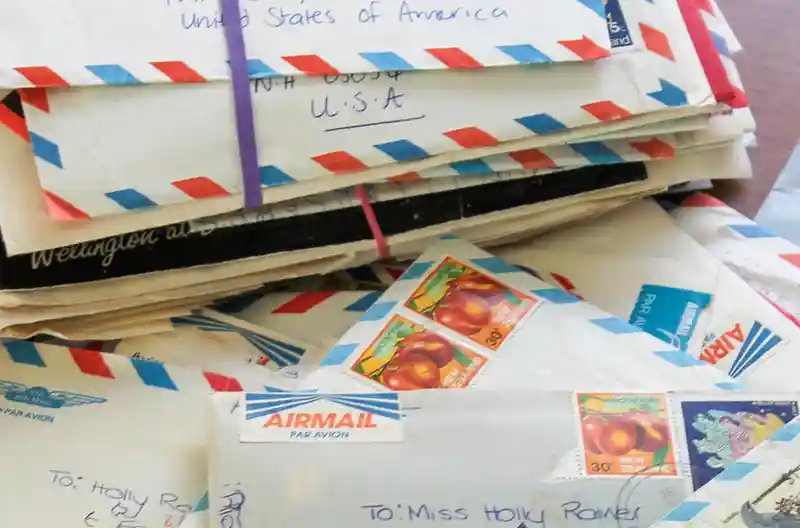
In 1985, two people wrote letters to each other and became friends. Now, their friendship goes across continents and generations. A 13-year-old girl in New Zealand discovered a pair of purple spectacles that looked like lips in a magazine and wrote to her pen pal in New Hampshire about them. This is how the story started. That small dream came true almost 40 years later at an emotional reunion that highlighted how important handwritten letters can be. Long before social media and instant messaging became part of everyday life, pen pal programs connected young people from different countries through letters.
Although many traditional mail services around the world have reduced operations in recent years, interest in letter writing has quietly returned, especially among younger people looking for more meaningful and personal communication away from screens. During the COVID-19 pandemic, writer Rachel Syme launched a pen pal project that quickly attracted thousands of participants. She said many people were searching for slower and more thoughtful ways to connect with others. Her project, called Penpalooza, drew more than 15,000 sign-ups in 2020, and interest has continued to grow. Syme believes younger generations are increasingly drawn to activities that feel physical, intentional and separate from the nonstop pace of online life.
Technical and industry context
The American writer and her New Zealand pen pal, Molly Nunns, grew closer and closer over the years through their correspondence. They told each other stories about school, friends, family, and being a teenager even though they lived on opposite sides of the world. Their letters were more personal, with jokes, drawings, and heartfelt goodbyes that demonstrated how close they had grown over time. Pen pal programs have enabled people meet other people who are like them. Julie Delbridge, who joined International Pen Friends as a teenager in Australia in 1979, said that writing letters helped her deal with family troubles. Later, she was picked to be the group's leader. It has brought together more than two million individuals over the years.
Delbridge says that participation went up again during the outbreak, notably among people in their twenties. Schools and universities in the United States have also started encouraging students to write letters as a way to strengthen empathy and emotional communication. In some classrooms, students are required to send physical letters through the mail rather than rely on digital communication. Educators say the process encourages patience, reflection and more thoughtful conversations. Technology has also changed the pen buddy experience for people today. Slowly is a messaging program that makes you wait for messages to arrive, just like you do with regular mail. Users generally write longer, more personal replies because interactions don't happen right away.
Users generally write longer, more personal replies because interactions don't happen right away.
What to watch
The app has millions of users around the world, mostly adults in their 20s and 30s. Even with digital alternatives, many still believe handwritten letters carry a special emotional value that technology cannot replace. During a recent visit, the American writer gave Molly a bound collection of hundreds of old letters they exchanged as teenagers. Looking back at decades of correspondence, both were reminded that a friendship built through paper, stamps and patience had survived nearly four decades and remained just as meaningful as when it first began.