

What happened
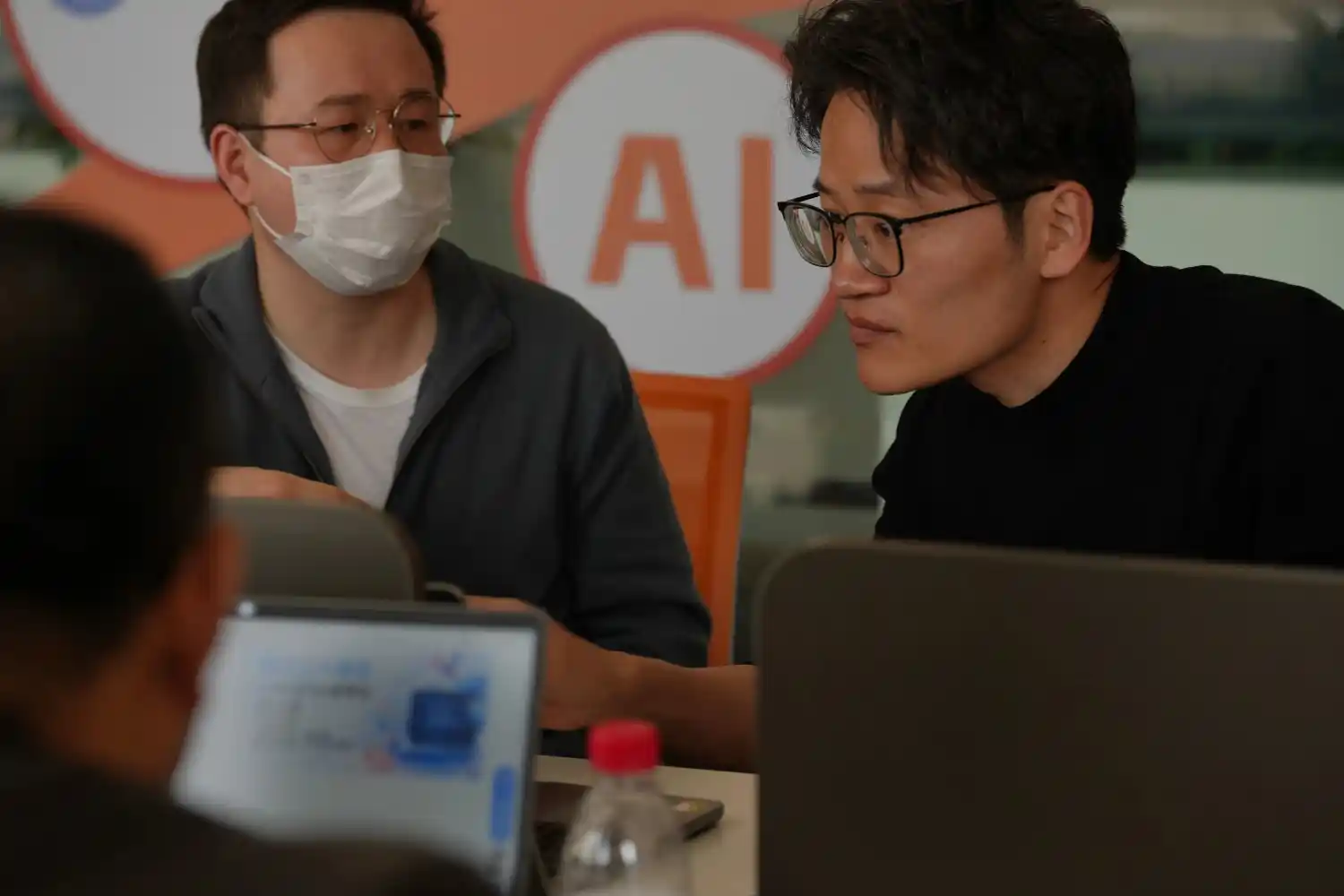
Crowds have recently gathered outside technology company offices in Beijing and Shenzhen as people look for help installing and learning new artificial intelligence tools. One of the most talked-about systems is an AI assistant called OpenClaw, which has quickly gained popularity among students, workers and businesses across China. Many people say they are using AI to avoid falling behind in fast-changing technology trends. Sun Lei, a human resources manager in Beijing, said she hopes AI tools can help her search and screen job applications more efficiently. Similar scenes have appeared across China as interest in AI continues to grow among ordinary users.
More than a year after Chinese AI company DeepSeek drew global attention with its advanced language model, China has become one of the world’s largest testing grounds for everyday AI use. While American companies still lead in some areas of advanced computing, Chinese consumers and businesses have rapidly adopted AI technology in daily life. People in China now use AI for tasks ranging from planning trips and ordering food to managing work projects and health advice. Government figures show that more than 600 million people in China were using generative AI tools by the end of last year, marking a sharp increase compared to the previous year. AI-powered systems are also spreading through Chinese businesses.
Technical and industry context
Technology companies including Tencent, Alibaba and Baidu are integrating AI into messaging apps, shopping services and workplace tools. Tencent recently added OpenClaw features into WeChat, one of China’s most widely used apps. Young people are among the biggest users of these tools. College student Zhao Yikang said he uses AI to create videos, manage social media pages and even build websites. He explained that tasks which once took hours can now be completed in minutes at very low cost. Preparing to launch a photography business after graduation, he asked AI to create a company website and received a working version within minutes. Experts say Chinese companies are pushing AI adoption aggressively to improve productivity and compete globally.
Businesses are increasingly encouraging employees to use AI tools in daily work, while local governments are promoting AI development in healthcare, education and public services. At the same time, China still faces challenges because U.S. export restrictions limit access to some of the world’s most advanced computer chips. Analysts say these restrictions have slowed parts of China’s AI industry, but they have also pushed Chinese companies to develop more of their own technology. Recent AI models from Chinese firms are now relying more heavily on chips produced by domestic companies such as Huawei. Researchers and industry analysts believe the gap between American and Chinese AI development is becoming smaller.
Researchers and industry analysts believe the gap between American and Chinese AI development is becoming smaller.
What to watch
While the United States remains a major leader in advanced AI systems, China’s rapid adoption of the technology across businesses and daily life is helping the country strengthen its position as a major global force in artificial intelligence.