

What happened
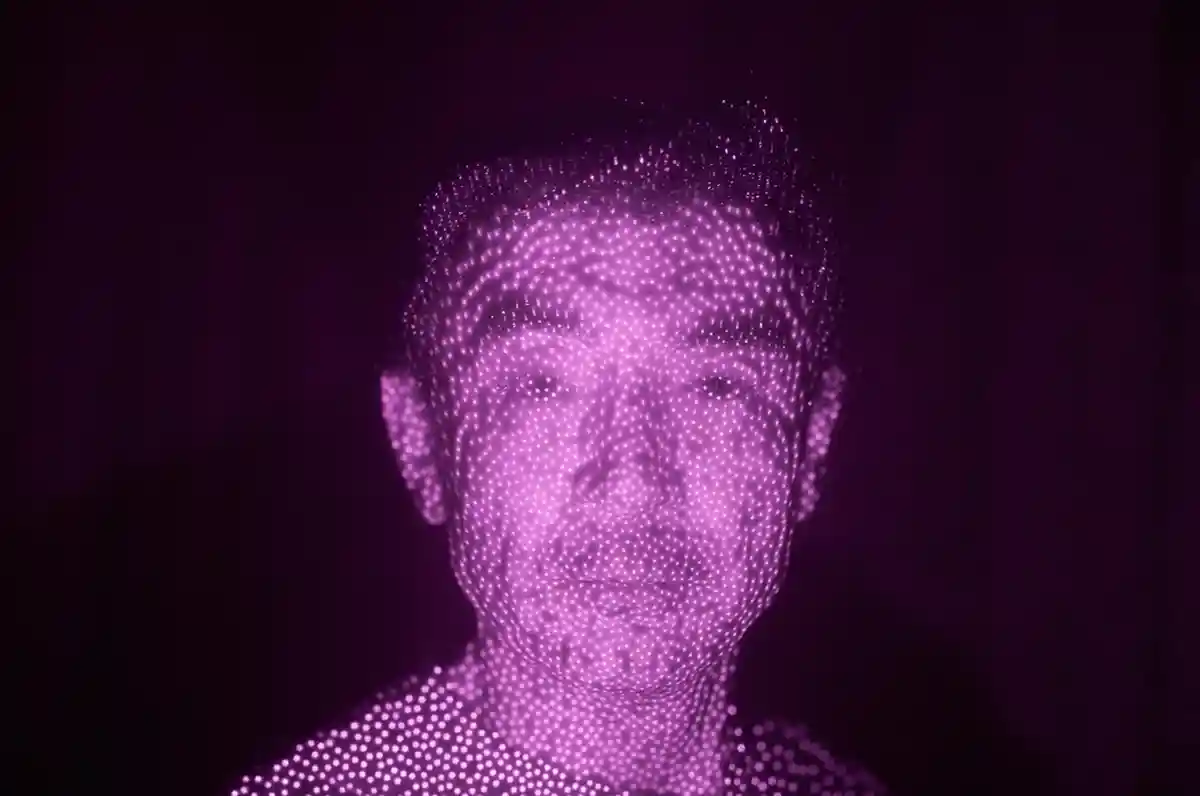
A Pulitzer Prize for international reporting was awarded on Monday for an investigation that exposed the rapid expansion of government surveillance systems in China and the role American technology companies played in developing them. The reporting team uncovered how advanced monitoring tools were used to track and control citizens, raising global concerns about privacy and digital surveillance. The investigation, titled *Made in America, Watched Worldwide*, took more than three years to complete and relied on thousands of documents, research materials and interviews conducted across several countries. It revealed that many of the technologies used by Chinese authorities for mass surveillance were built with support, equipment or software linked to companies in the United States.
In some cases, surveillance capabilities were openly promoted as part of business deals. The reports also showed how surveillance practices have expanded in other parts of the world. One investigation found that a U.S. border security program secretly used license plate data to monitor drivers’ movements well beyond border regions. People whose travel activity was considered suspicious by computer systems could later face questioning, traffic stops or arrests. Another report examined how technology companies and businesses managed to work around restrictions designed to prevent China from gaining access to advanced computer chips and other sensitive technologies.
Technical and industry context
The series also explored the growing use of artificial intelligence in military operations, including concerns that advanced targeting systems may have contributed to civilian deaths during conflicts in Gaza and Lebanon. Editors involved in the project described it as a major international effort that highlighted the increasing influence of technology companies and their complicated relationships with governments. Journalists working on the investigation reportedly faced harassment, pressure and attempts to prevent the stories from being published. The project also included detailed photo and video reporting that helped document the impact of surveillance technology on ordinary people around the world.