
What happened
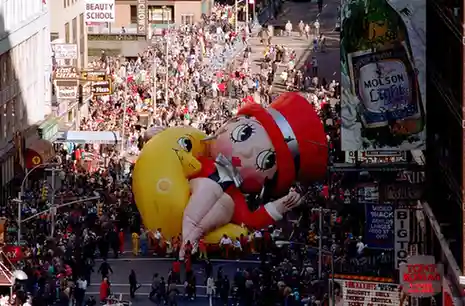
The arrival of 2026 marks a significant milestone in intellectual property history as several iconic characters, including Betty Boop and Blondie, officially enter the public domain in the United States, allowing creators, publishers, and businesses to freely use and reinterpret these cultural touchstones without licensing restrictions. Betty Boop, the flapper-era animated character who debuted in the early 1930s, has long been synonymous with jazz-age aesthetics, playful rebellion, and early animation innovation, but only her earliest black-and-white incarnations will be eligible for unrestricted use, meaning later versions that introduced trademark elements such as refined character designs and specific personality traits will remain protected.
Similarly, Blondie, the long-running comic strip character created by Chic Young, enters the public domain with her earliest appearances, offering writers and artists the opportunity to revisit the domestic comedy roots of the strip while avoiding later storylines and character developments that remain under copyright. Alongside these two high-profile entries, a trio of classic detective characters from early pulp fiction and serialized storytelling will also become public domain properties, reflecting the ongoing expiration of copyrights from works published in 1930 under U.S. copyright law. The inclusion of detective characters highlights the enduring popularity of crime-solving narratives and underscores how public domain transitions often reinvigorate genres by allowing new interpretations, adaptations, and cross-media experimentation.
Cultural and industry context
For publishers, filmmakers, advertisers, and digital creators, the public domain status of these characters represents both opportunity and responsibility, as modern reinterpretations must carefully distinguish between what is legally free to use and what remains protected through later copyrights or active trademarks. Legal experts caution that while character names and original story elements from early works may be freely adapted, distinctive visual designs, slogans, and branding elements introduced in later decades may still be subject to intellectual property enforcement, particularly when those characters remain commercially exploited by rights holders. The public domain transition also carries broader cultural implications, as it allows historical characters to be preserved, reexamined, and modernized for new generations without corporate gatekeeping, contributing to a more open creative ecosystem.
In recent years, similar public domain entries have sparked a wave of indie films, graphic novels, merchandise, and experimental storytelling, demonstrating how classic characters can gain renewed relevance when freed from exclusive ownership. At the same time, the entry of Betty Boop and Blondie into the public domain is expected to prompt renewed interest from major studios and brands seeking to reinforce trademark protections through distinctive modern adaptations, highlighting the ongoing tension between copyright expiration and brand control. From an industry perspective, this development serves as a reminder of the importance of intellectual property literacy for creators and marketers, as missteps in public domain usage can still lead to legal disputes if boundaries are crossed.
From an industry perspective, this development serves as a reminder of the importance of intellectual property literacy for creators and marketers, as missteps in public domain usage can still lead to legal disputes if boundaries are crossed.
What comes next
Ultimately, the public domain status of these beloved characters in 2026 reflects the natural lifecycle of creative works and reinforces the principle that cultural heritage, after a defined period of protection, belongs to the public, enabling continuous reinvention, creative freedom, and shared storytelling across generations.