






science • Dec. 17, 2025
How to watch one of the year’s best meteor showers, the Geminids
The Geminids meteor shower, considered one of the best celestial displays of the year, is set to light up the night sky, offering skywatchers a chance to see bright, colorful meteors with minimal equipment.

By Michael Y. Gentry
Published Dec. 17, 2025
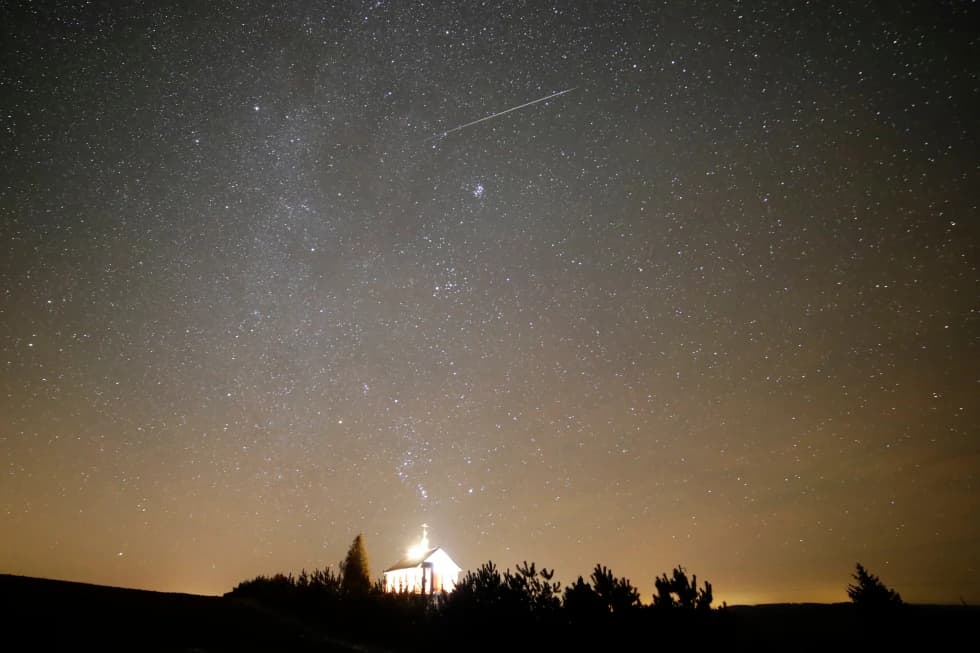
The Geminids meteor shower, widely regarded as one of the most reliable and spectacular meteor displays of the year, offers skywatchers an exceptional opportunity to witness dozens of bright streaks of light across the night sky, as the shower occurs when Earth passes through a dense stream of debris left behind by the unusual asteroid-like object 3200 Phaethon, which sheds rocky particles rather than icy material typically associated with comets, resulting in slower, brighter, and often more colorful meteors that can appear white, yellow, or even green as they burn up in Earth’s atmosphere, with peak viewing usually occurring in mid-December when rates can reach up to 100 meteors per hour under ideal dark-sky conditions, although even casual observers in suburban areas can expect to see frequent activity, especially during the late-night and pre-dawn hours when the constellation Gemini rises higher in the sky, increasing the number of visible meteors, while experts recommend finding a location away from city lights with a clear, unobstructed view of the sky, allowing eyes at least 20 to 30 minutes to adjust to the darkness for optimal viewing, as no special equipment such as telescopes or binoculars is required and, in fact, naked-eye viewing provides the best experience due to the wide area of sky where meteors can appear, with observers advised to dress warmly, bring blankets or reclining chairs, and remain patient, as meteor activity often comes in bursts followed by quieter intervals, and although moonlight can sometimes interfere depending on the lunar phase, the Geminids are known for producing bright fireballs capable of cutting through moderate light pollution, making them a favorite among both amateur astronomers and seasoned stargazers, while photographers often take advantage of the shower by using long-exposure techniques to capture dramatic images of meteors against star-filled skies, adding to the event’s popularity on social media and in astronomy communities, as scientists continue to study the Geminids to better understand the composition of Phaethon and the processes that allow a rocky body to generate such a prolific meteor stream, offering insights into the diversity of small objects in the solar system and the dynamic interactions between asteroids, comets, and planetary orbits, while the shower also serves as a reminder of Earth’s constant movement through cosmic debris and the protective role of the atmosphere, which safely vaporizes these tiny particles before they reach the ground, creating a natural light show that has been observed and celebrated for generations, and for families, educators, and curious observers, the Geminids provide an accessible entry point into astronomy, encouraging people to look up, learn about the night sky, and experience a shared sense of wonder as meteors briefly illuminate the darkness, making the annual event not just a scientific phenomenon but also a cultural and inspirational moment that connects humanity to the broader universe, all while requiring nothing more than clear skies, a bit of preparation, and the willingness to pause and watch the heavens in motion..