






science • Dec. 17, 2025
Renowned astronomers push to protect Chile’s cherished night sky from an industrial project
Leading astronomers are urging authorities to safeguard Chile’s world-renowned dark skies as concerns grow over a proposed industrial project that could threaten critical astronomical observations.

By Michael Y. Gentry
Published Dec. 17, 2025
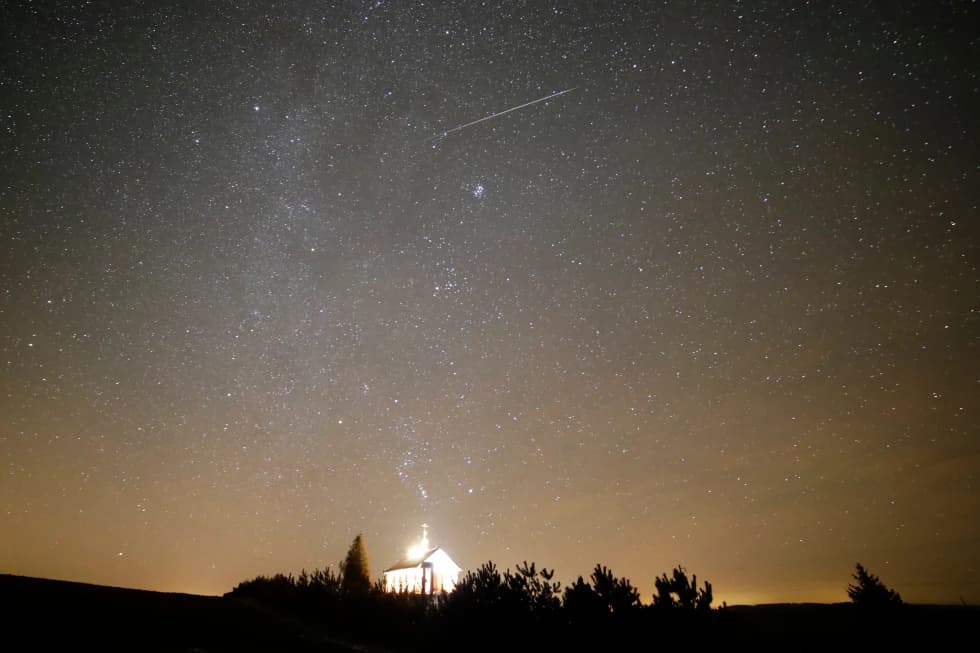
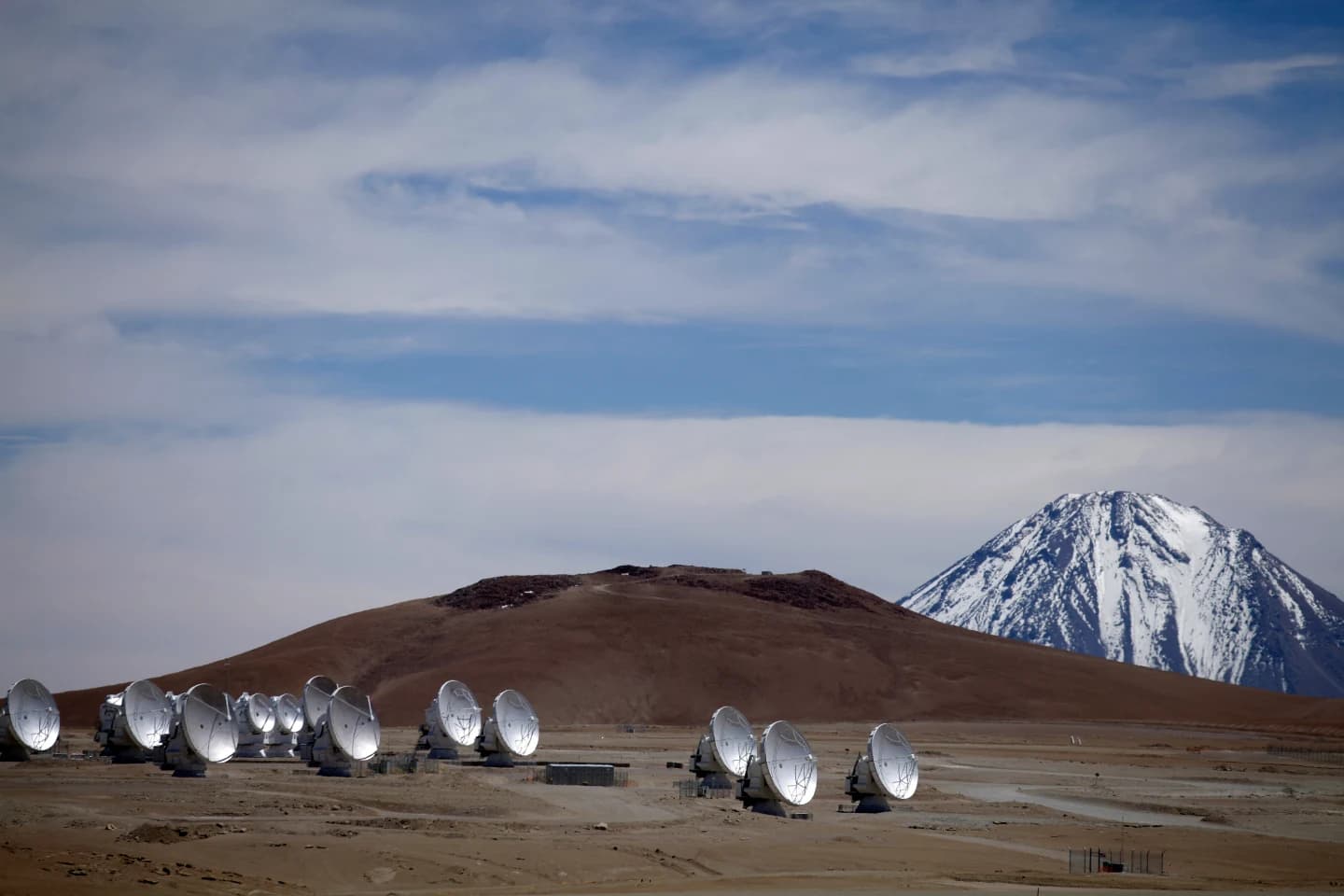
Renowned astronomers from around the world are calling for stronger protections for Chile’s iconic night skies as a proposed industrial project raises alarms about light pollution, environmental impact, and the potential disruption of some of the most important astronomical research conducted on Earth, with Chile’s Atacama Desert widely regarded as one of the premier locations for ground-based astronomy due to its high altitude, dry climate, and exceptionally dark skies that allow telescopes to observe distant galaxies, stars, and cosmic phenomena with unparalleled clarity, while scientists warn that increased artificial lighting, dust, and atmospheric disturbances associated with large-scale industrial development could significantly degrade observing conditions, undermining decades of investment in observatories that have helped advance humanity’s understanding of the universe, as facilities such as the Very Large Telescope, the Atacama Large Millimeter/submillimeter Array, and future projects like the Extremely Large Telescope rely on pristine conditions to detect faint signals from deep space, making even small increases in sky brightness a serious concern for researchers, with astronomers emphasizing that once dark skies are compromised, they are difficult or impossible to fully restore, prompting calls for careful environmental review, stricter lighting regulations, and alternative development plans that balance economic growth with scientific preservation, while supporters of protecting the skies also highlight the cultural and educational value of Chile’s astronomical heritage, noting that the country has become a global hub for space science and a source of national pride, attracting international collaboration, tourism, and educational opportunities that extend far beyond the scientific community, as astronomers engage with policymakers, local communities, and industry leaders to raise awareness about the long-term consequences of light pollution, including its effects on wildlife, ecosystems, and human health, arguing that responsible development can coexist with scientific progress if proper safeguards are implemented, while the debate reflects a broader global challenge as expanding infrastructure and energy projects increasingly encroach on dark-sky regions around the world, threatening not only professional astronomy but also the shared human experience of observing the stars, with advocates stressing that Chile’s skies represent a finite and irreplaceable resource whose protection serves both national and international interests, as the outcome of discussions surrounding the industrial project may set an important precedent for how countries manage the tension between economic development and environmental stewardship in regions of exceptional scientific value, underscoring the need for collaborative solutions that preserve the night sky for future generations while still supporting sustainable growth, and reinforcing the idea that safeguarding Chile’s darkness is not merely about protecting telescopes, but about maintaining a unique window into the universe that benefits science, culture, and humanity as a whole..