

What happened
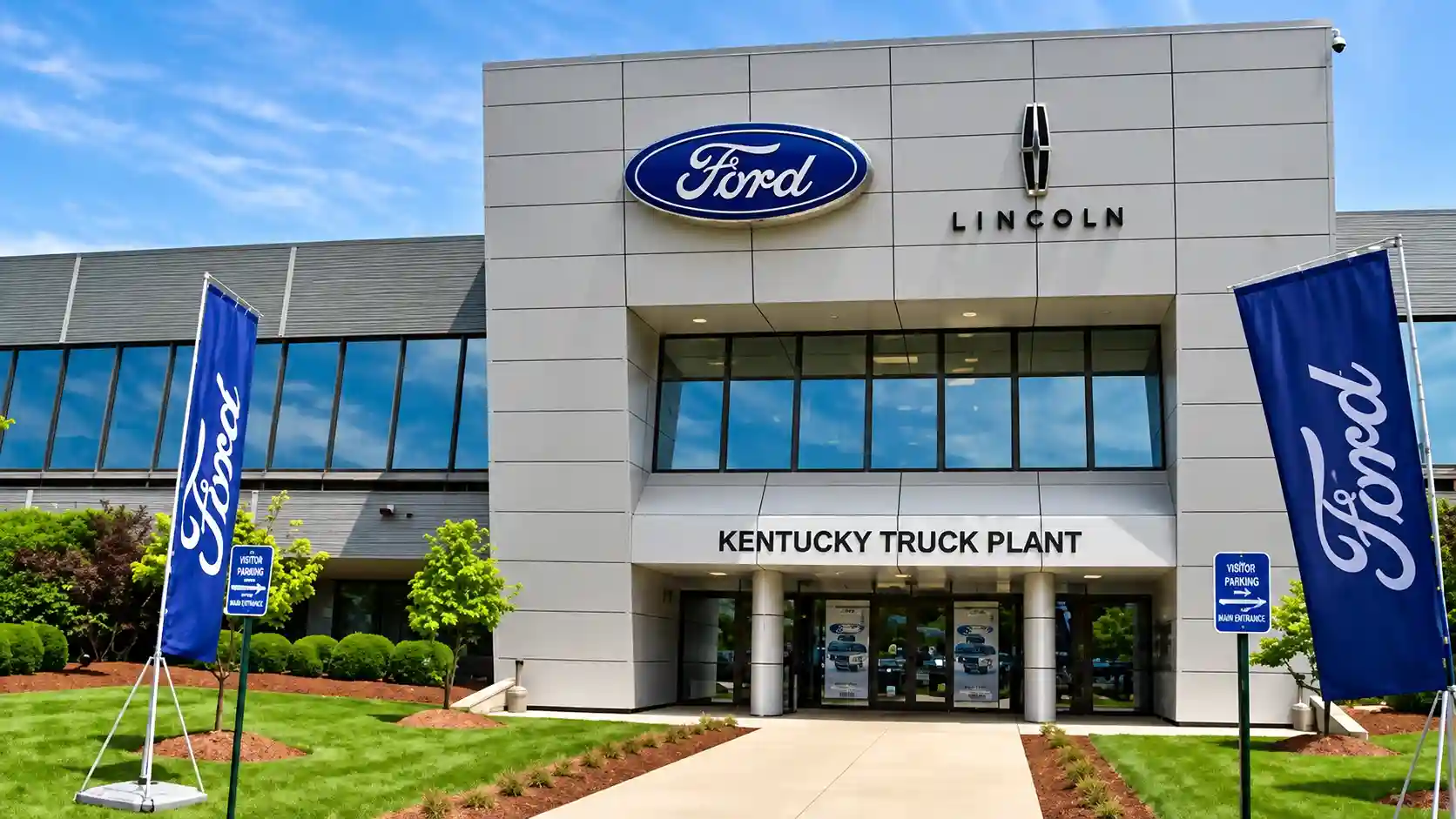
Ford Motor Company said it will spend $1 billion to expand capacity and retool its Kentucky Truck Plant for future vehicles. The investment will be primarily dedicated toward the construction of a new state-of-the-art paint shop and the upgrade of plant operations in Louisville, KY. Ford's Kentucky Truck plant is a major North American manufacturing hub, churning out popular heavy-duty vehicles such as the Super Duty pickup lineup. The plant also produces large sport utility vehicles and is a major part of Ford's U.S. manufacturing network. The new investment will establish a world class paint operation designed to improve efficiency, quality and production flexibility.
Ford said the improved system will help better match customer demand and improve the company's manufacturing processes at one of its largest truck plants. Ford's latest big investment in the project will increase domestic manufacturing. With international automakers as competitors and policymakers eager to grow American manufacturing, the company has become increasingly focused on investments in US facilities. Ford's Kentucky operations are a major economic engine employing thousands in the region. The investment is expected to create manufacturing jobs and improve the competitiveness of the plant in the long run. The announcement comes amid seismic shifts in consumer preferences, evolving emissions regulations and increasing competition in electric vehicles and new manufacturing technologies facing the auto industry.
Ford's move runs counter to many automakers cutting costs and changing their investments. But the decision signals continued demand for the lucrative truck and utility vehicle segments. The company has been altering its overall vehicle strategy, but still concentrating on products that generate good margins. The Kentucky Truck Plant upgrade is an example of Ford's commitment to a strong US production base and to advancing manufacturing technology for future vehicle programs. Ford's US Truck Production Plans Supported by Investment Ford's investment in Kentucky is proof that the automaker is still committed to the truck market, one of the most profitable in the North American auto industry.
A big driver of Ford's commercial and consumer vehicle sales – particularly with businesses and customers that need heavy-duty capability – has been the Super Duty lineup. The Kentucky Truck Plant builds vehicles intended for heavy-duty applications such as towing, construction, agriculture and commercial transportation. Even with larger shifts in the auto industry, demand for these vehicles has been robust. The new paint shop investment will boost the efficiency of production through more advanced manufacturing systems. The modern paint shop is an integral part of vehicle production because it influences the quality, durability and speed of the overall manufacturing process. Ford's move also is indicative of a larger trend among carmakers to renovate existing plants rather than just build new ones.
Business and market context
Improving existing facilities allows firms to retain skilled labor and increase productive capacity. The investment arrives as Ford continues to work to balance traditional car-making with building technology for the future. The company has changed its electric vehicle strategy to respond to changing market conditions, with a greater focus on profitability, hybrids and commercial vehicles. And as global competition heats up, the need for a competitive U.S. manufacturing base is more important than ever," said Ford CEO Jim Farley. The company warned that Chinese car makers are a growing threat because they have lower costs and are making technological advances. The Kentucky project has two goals: to upgrade existing truck production and to bolster Ford's position in a strategically important market.
Ford is investing in its existing plants to boost efficiency and maintain its leadership in domestic manufacturing in an increasingly competitive global industry. Big Change In Auto Industry Leads To Factory Upgrade The $1 billion investment in Kentucky comes as the auto industry is undergoing a major transition. Automakers are facing changing consumer demand, supply chain issues and competition from both established rivals and new electric vehicle makers. Ford's strategy has been evolving as the electric vehicle transition plays out differently around the world. As EV adoption ramps up, demand hasn't increased at the same rate in all regions, prompting manufacturers to rethink investment timelines and product plans.
The company has concentrated more on the more lucrative vehicle segments such as trucks, commercial vehicles and hybrids. The Kentucky Truck Plant is profitable in its heavy-duty truck production, and that makes the plant an important part of that strategy. The investment comes amid growing criticism of Ford's international partnerships and supply chain decisions. The company also defended its global ties but emphasized its commitment to making things in the U.S. Ford could respond better to political and economic pressure to boost U.S. manufacturing by upgrading its domestic facilities. The company has cited its investment in US factories as an indication of its commitment to local manufacturing. And Ford gets flexibility from upgrades of existing plants.
And Ford gets flexibility from upgrades of existing plants.
What to watch
The demand for cars waxes and wanes, manufacturing plants that can change with the changing tastes of consumers are a good thing. An example of that is the Kentucky project, combining the traditional manufacturing strengths of established automakers with newer technologies. They're not abandoning traditional vehicle manufacturing, but finding better ways to build profitable products. Being a leader in trucks is a big part of Ford's overall business strategy. Ford's Investment Creates Jobs, Builds Manufacturing Future Ford said the investment in the Kentucky Truck Plant will pay off long-term for its workforce and the Louisville economy. The plant has been a major employer in the region for decades and a part of Kentucky's automotive manufacturing industry.
Ford's investment underscores the need for skilled manufacturing workers as the auto industry transforms. "Factories are transforming with automation and advanced technologies, but we still need skilled workers to maintain quality and efficiency." Ford is getting improved manufacturing capabilities for building its high-demand vehicles with the new paint shop. The project will expand operations and make the plant more competitive going forward, the company said. Car manufacturing is still a big part of the Kentucky economy, and local officials have welcomed the investment. The state has developed a significant automotive industry presence, attracting investment from major manufacturers and suppliers.
The project also calls for continued investment in domestic manufacturing in the U.S. Modernization of existing facilities is a basic building block for industrial strength in a global competitive environment and supply chain uncertainty.