





entertainment • Dec. 29, 2025
Takeaways from AP’s report on banned Uyghur songs
AP’s recent report sheds light on the banned Uyghur songs and the impact of China's censorship on ethnic minority music. Here are the key takeaways from the investigation.

By Jacqueline L. Wood
Published Dec. 29, 2025
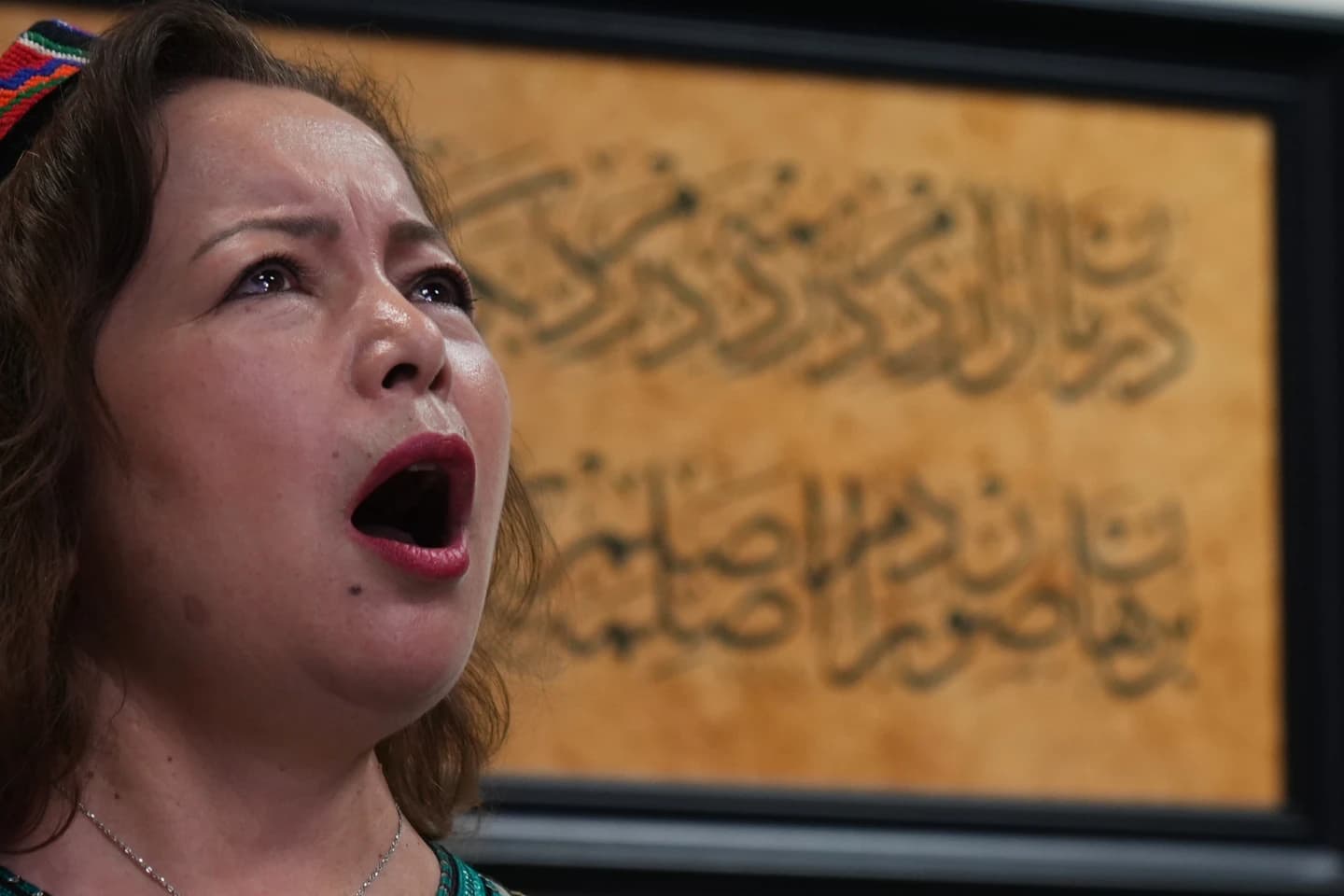
The recent Associated Press (AP) report on banned Uyghur songs has revealed troubling insights into the Chinese government’s efforts to suppress the cultural and artistic expressions of the Uyghur people. This investigation delves into how songs, which have been a powerful tool for preserving Uyghur heritage and identity, are now being censored and erased from public platforms, both online and offline, in an effort to stifle dissent and enforce state control. One of the key takeaways from the report is that the Chinese government has implemented a systematic and aggressive campaign to monitor, censor, and remove Uyghur songs that express sentiments of cultural pride, ethnic identity, and resistance to the state’s policies.
These songs, often composed in the Uyghur language, touch on themes of love, homeland, spirituality, and the struggles of the Uyghur people. However, under China’s stringent surveillance system, these songs are deemed dangerous due to their potential to stir ethnic and political sentiments that contradict the official state narrative. Many artists who have produced such songs are now facing persecution, with reports of them being arrested, imprisoned, or silenced by authorities.
The AP report highlights how the government’s tight grip on media and cultural expression has affected Uyghur musicians, forcing them to either conform to state-approved narratives or risk facing severe repercussions. Another significant aspect of the report is the role of online platforms in the distribution and removal of Uyghur songs. Social media networks and music streaming services in China are under constant pressure to comply with the government’s censorship policies.
These platforms have been instructed to remove content that relates to Uyghur identity or culture, including songs that discuss Uyghur history, religion, and the ongoing oppression the community faces. This not only limits the ability of Uyghur artists to reach their audience but also erases the rich musical history that has long been a part of the Uyghur culture. In addition, the report sheds light on the growing trend of Uyghur musicians self-censoring their work, fearing the consequences of speaking out or creating music that does not align with state-approved content.
As a result, some artists are being forced to change the themes of their songs or refrain from releasing new material altogether. This kind of self-censorship is not just a personal decision for many artists but a survival tactic, as it helps to avoid the government's wrath. Another disturbing finding in the AP’s report is the rise of a new wave of government-sponsored 'patriotic' music that seeks to promote Chinese nationalism and suppress minority cultures.
These songs are encouraged by the Chinese state as a way of fostering unity under the official state ideology and drowning out the voices of ethnic minorities like the Uyghurs. Many of these songs are now being promoted on state-run media and platforms, replacing the previously celebrated Uyghur songs and traditions. The report concludes that the Chinese government’s crackdown on Uyghur music is part of a broader campaign to erode Uyghur culture and identity, which is seen as a threat to the cohesion of the Chinese state.
As China continues to tighten its grip on the Uyghur region, the ability to express cultural and artistic freedom becomes increasingly limited. This report is a stark reminder of the ways in which censorship can stifle creativity, suppress human rights, and erase the rich cultural heritage of marginalized groups. The persecution of Uyghur musicians and the removal of their songs is a clear attempt to erase their voices and their culture from public consciousness, leaving a devastating impact on Uyghur communities and the broader fight for cultural freedom and human rights.
While the international community has condemned China’s actions, the situation continues to worsen, with little hope for immediate change. The report serves as a call to action for those advocating for the rights of the Uyghur people, urging the global community to continue to stand in solidarity with the Uyghurs and fight for the preservation of their culture and artistic expression in the face of oppressive censorship..