





technology • Dec. 15, 2025
I Ditched the Cloud and Upgraded My Smart Home
After moving away from cloud-dependent devices, a full smart home upgrade delivered better privacy, faster response times, and total local control.

By Betty D. Chambers
Published Dec. 15, 2025
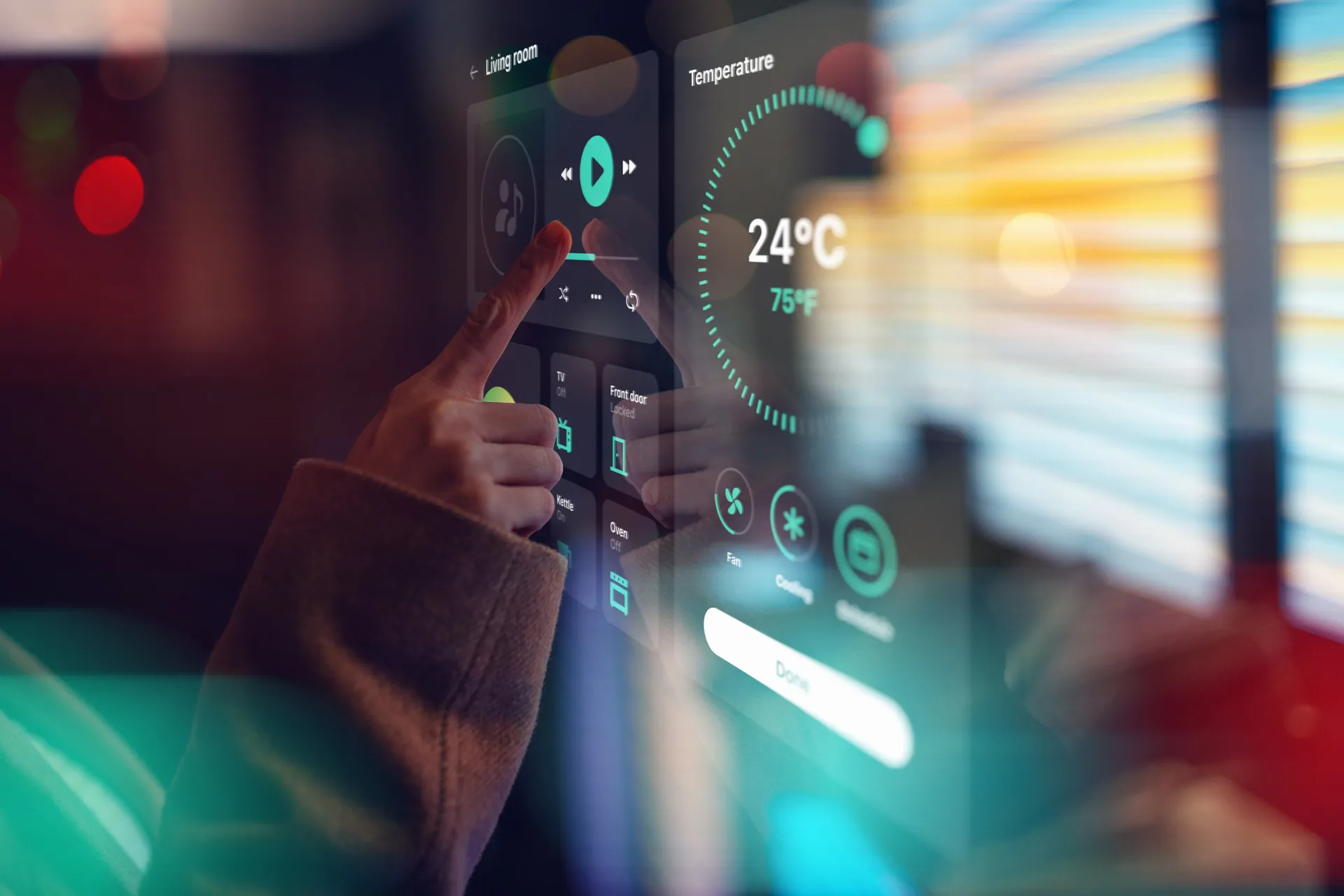
After years of relying on cloud-based smart home platforms, ditching the cloud entirely marked a turning point in how modern home automation can function more reliably, securely, and efficiently. What began as frustration with delayed responses, service outages, forced subscriptions, and growing privacy concerns eventually led to a full smart home overhaul focused on local control. Cloud-dependent devices often promise convenience, but in practice they introduce latency, dependency on internet uptime, and uncertainty over how personal data is collected, stored, and monetized.
By transitioning to locally controlled hardware and open-source platforms, the smart home experience became noticeably faster and more consistent, with automations executing instantly instead of routing commands through remote servers. Local hubs, self-hosted controllers, and devices that communicate over protocols like Zigbee, Z-Wave, and Matter replaced Wi-Fi-only gadgets tied to proprietary apps. The result was a system that continued functioning even during internet outages, proving that true smart homes do not need constant cloud connectivity to remain intelligent.
Privacy also improved significantly, as cameras, sensors, and voice assistants were no longer streaming data to external servers by default, reducing exposure to breaches and third-party tracking. While the initial setup required more planning and technical involvement, the long-term benefits outweighed the learning curve, offering complete ownership over automations, updates, and integrations. Devices from different manufacturers worked together more seamlessly under a unified local platform, eliminating the fragmentation that often plagues cloud ecosystems.
Performance gains were immediate, with lights responding instantly, motion sensors triggering actions without delay, and schedules running reliably without remote dependencies. The upgrade also reduced long-term costs by removing subscription fees that many cloud services quietly impose over time. Importantly, moving away from the cloud did not mean sacrificing convenience; mobile access, remote control, and voice commands remained possible through secure self-hosted solutions rather than third-party servers.
This shift highlighted a growing trend among smart home enthusiasts who value resilience and autonomy over convenience tied to corporate infrastructure. As companies increasingly lock features behind paywalls or discontinue cloud services altogether, locally controlled smart homes offer future-proofing that cloud-first models cannot guarantee. The experience demonstrates that the smart home industry’s cloud obsession is not a necessity but a design choice—one that often benefits vendors more than users.
By reclaiming control, the upgraded smart home became faster, safer, and more adaptable, proving that local-first automation is not only viable but arguably the smarter path forward for anyone serious about building a dependable connected home..