






sports • Dec. 21, 2025
Humphries Armbruster gets 1st World Cup bobsled win since becoming a mom, ends 20-race German streak
Kaillie Humphries and Emily Renna delivered a landmark World Cup bobsled victory, giving Humphries Armbruster her first win since becoming a mother and snapping Germany’s 20-race winning streak.

By Betty D. Chambers
Published Dec. 21, 2025
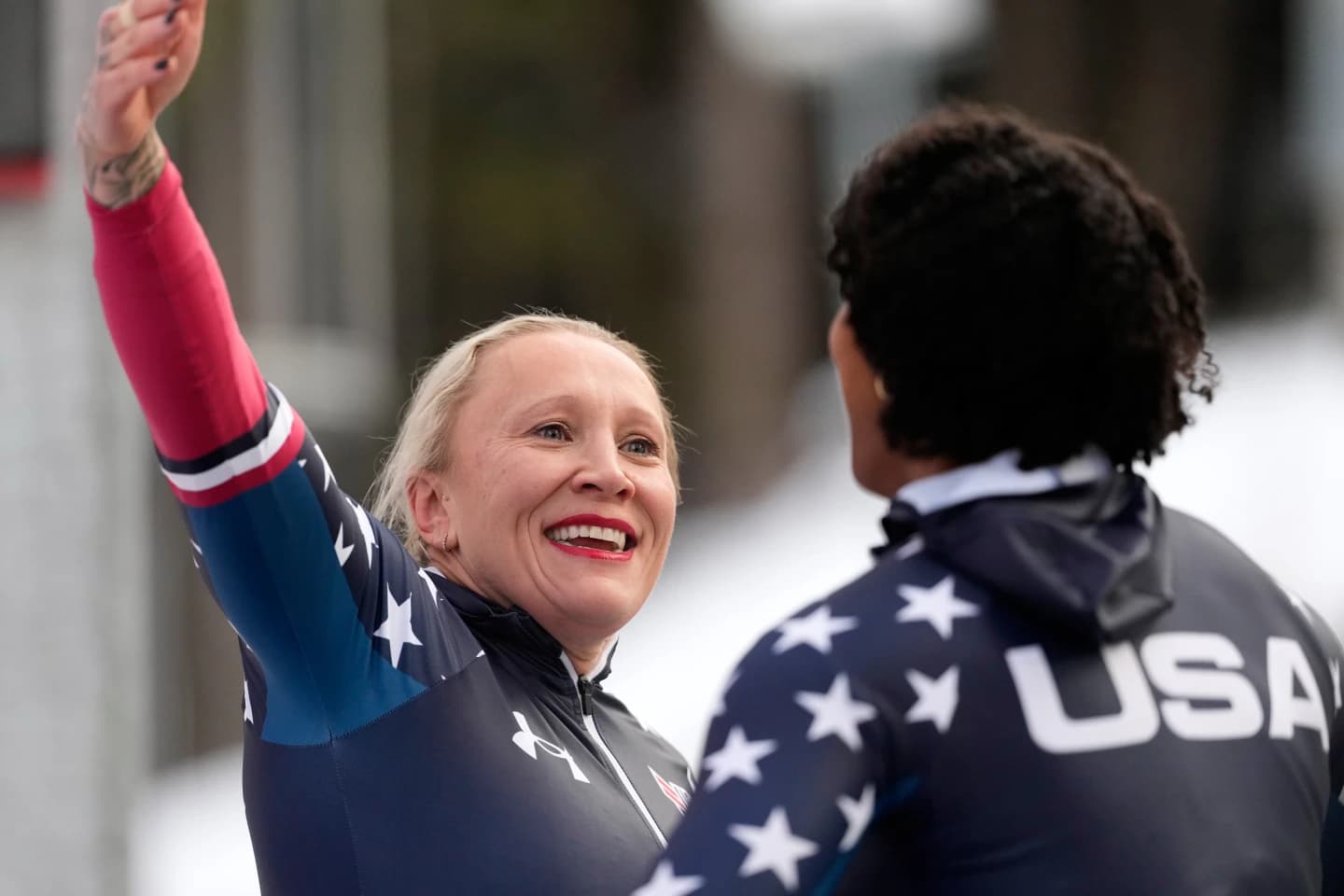
Veteran Olympic champion :contentReference[oaicite:1]{index=1} achieved one of the most meaningful victories of her storied career by capturing her first women’s World Cup bobsled win since becoming a mother, teaming with brakewoman Emily Renna to deliver a performance that not only marked a personal milestone but also ended Germany’s dominant 20-race winning streak on the international circuit, a run that had underscored the nation’s long-standing grip on the sport; racing under the name Humphries Armbruster following her marriage, the American pilot showcased the same trademark explosiveness at the start and technical precision through the curves that have defined her success across multiple Olympic cycles, proving that elite performance and motherhood are not mutually exclusive at the highest level of winter sport; the victory carried added significance given the depth and consistency of the German program, which has traditionally set the global standard in women’s bobsled through a combination of engineering excellence, athlete development, and tactical execution, making any interruption to its dominance a notable moment in World Cup competition; Humphries and Renna delivered two composed and aggressive runs, capitalizing on a powerful push start and maintaining clean lines down the track, while avoiding the costly mistakes that often separate podium finishers from the rest of the field, especially on technically demanding courses where hundredths of a second can determine outcomes; for Humphries, the win represented a return to the top step of the podium following a period of transition that included pregnancy, childbirth, and the demanding process of returning to peak physical condition, all while balancing the responsibilities of motherhood and the intense training requirements of an elite sliding sport; her journey back to World Cup victory resonated beyond the results sheet, offering a visible example of resilience and long-term athletic sustainability, and adding to her legacy as one of the most accomplished pilots in bobsled history; Renna’s contribution was equally vital, as her power at the start and consistency at the back of the sled complemented Humphries’ driving, reinforcing the importance of trust and synchronization in a discipline where success depends on flawless teamwork as much as individual skill; the result also injected renewed intrigue into the World Cup season, signaling that German supremacy is no longer guaranteed and that the competitive gap may be narrowing as other nations refine their equipment, training methodologies, and athlete pipelines; spectators and fellow competitors alike took note of the emotional weight of the victory, as Humphries celebrated at the finish area with visible joy and relief, reflecting the cumulative effort behind the scenes that rarely appears on broadcast but defines elite sport at this level; the win further strengthened her standing within the U.S. program as a leader and role model, particularly for younger athletes navigating long-term careers and personal life changes, and it reaffirmed the United States’ capacity to challenge Europe’s traditional powerhouses on the sliding tracks of the World Cup circuit; historically, bobsled has been a sport where longevity is difficult due to the physical toll of repeated high-speed runs and intense training cycles, making Humphries’ ability to return to winning form after motherhood all the more notable within the broader context of winter sports; as the season progresses, this breakthrough victory is likely to be remembered as a turning point, both competitively and symbolically, illustrating that experience, adaptability, and determination can disrupt even the most entrenched streaks, and that moments of personal triumph can align with shifts in the competitive landscape, leaving Humphries Armbruster’s latest achievement as one that resonates well beyond a single World Cup race..