






sports • Dec. 20, 2025
With Chloe Kim sitting out, the world gets pre-Olympic view of Asian dominance on the halfpipe
With Chloe Kim sitting out early events, World Cup halfpipe competitions have offered a pre-Olympic glimpse of Asian dominance led by Japanese and Chinese snowboarders.

By Betty D. Chambers
Published Dec. 20, 2025
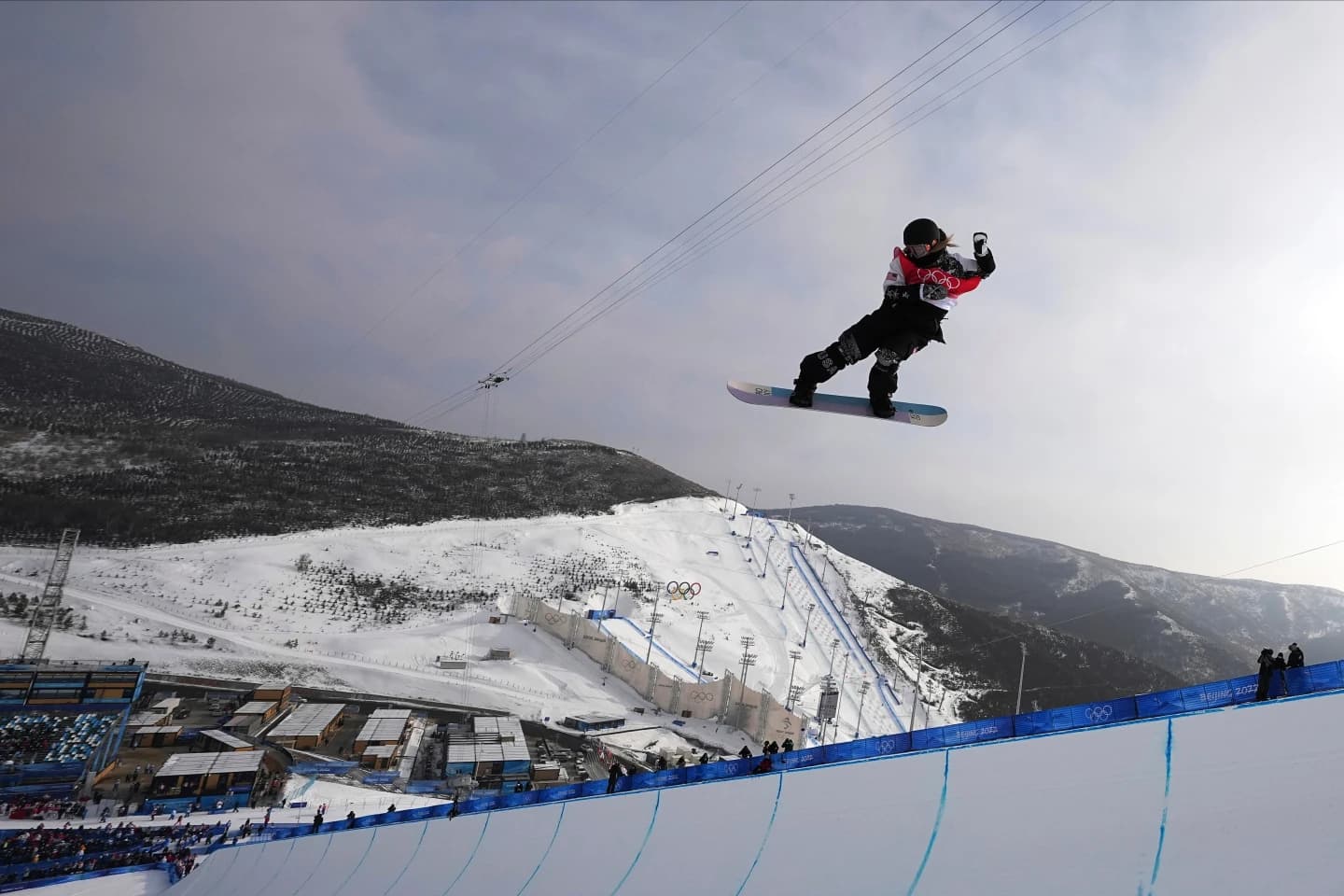
With two-time Olympic champion :contentReference[oaicite:1]{index=1} opting to sit out early-season competition, the women’s halfpipe snowboarding circuit has provided the world with a revealing pre-Olympic look at the rising dominance of Asian riders, particularly from Japan and China, whose depth, technical progression, and competitive consistency have reshaped expectations heading toward the :contentReference[oaicite:2]{index=2}; Kim’s absence removed the sport’s most recognizable figure from the start lists, but it did not diminish the quality of competition, instead highlighting how far the discipline has evolved as a new generation of athletes pushes the boundaries of amplitude, difficulty, and execution; Japanese and Chinese snowboarders have filled the podiums and top qualification spots across World Cup and major international events, showcasing runs packed with high-flying spins, clean grabs, and seamless flow that reflect years of focused development and investment in halfpipe programs across Asia; without Kim setting the benchmark, the competitive narrative has shifted toward internal rivalries among Asian riders, where consistency across multiple hits and the ability to land difficult combinations under pressure have become decisive factors; the current landscape suggests that the women’s halfpipe field is no longer defined by a single dominant superstar but by a cluster of elite athletes capable of winning on any given day, a trend that could make the Olympic competition one of the most unpredictable in recent memory; Japan’s program, long respected for its technical precision and stylistic discipline, continues to produce riders who combine textbook execution with increasing amplitude, while China’s emergence as a halfpipe power reflects broader national strategies aimed at building winter sports excellence through structured training systems and international exposure; together, these programs have raised the overall competitive bar, forcing athletes from other nations to adapt quickly or risk falling behind; Kim’s decision to sit out has been framed as a strategic and personal choice rather than a retreat, allowing her to manage her body, refine new tricks, and prepare mentally for the pressures of an Olympic season, but it has also underscored how strong the field has become in her absence; results that once might have been considered surprising now feel like the product of sustained excellence rather than anomalies, as Asian riders repeatedly deliver under varying conditions and judging environments; the judging panels have rewarded clean landings, amplitude, and progressive trick selection, areas in which Japanese and Chinese snowboarders have excelled, reinforcing the perception that their dominance is rooted in substance rather than circumstance; for fans and analysts, these competitions have served as an early scouting report for the Olympics, offering insight into who handles pressure well, who can string together complete runs, and who still struggles with consistency despite high difficulty; the broader implication is a shift in the geographic center of power within women’s halfpipe snowboarding, mirroring trends seen in other action sports where Asian athletes have rapidly closed gaps through innovation and disciplined training; Kim’s eventual return will inevitably reset expectations and intensify rivalries, as her combination of amplitude, difficulty, and competitive experience remains a defining force in the sport, but the current season has already demonstrated that victory will not come easily against a field that has grown deeper and more confident; athletes and coaches alike recognize that the margin for error is shrinking, with qualification rounds and finals increasingly separated by tenths of a point, placing a premium on mental toughness as much as technical skill; as the Olympic countdown continues, the halfpipe scene is defined less by who is missing and more by who is rising, and the performances delivered in Kim’s absence suggest that Asian dominance is not a temporary phase but a sustained evolution, setting the stage for an Olympic showdown where depth, resilience, and innovation may ultimately matter as much as star power..