






sports • Dec. 18, 2025
An uninhabited Scottish isle is home to the golden granite used in Olympic curling stones
The uninhabited Scottish island of Ailsa Craig supplies the rare golden granite used to craft Olympic curling stones, prized for its durability, purity, and unique geological history.

By Betty D. Chambers
Published Dec. 18, 2025
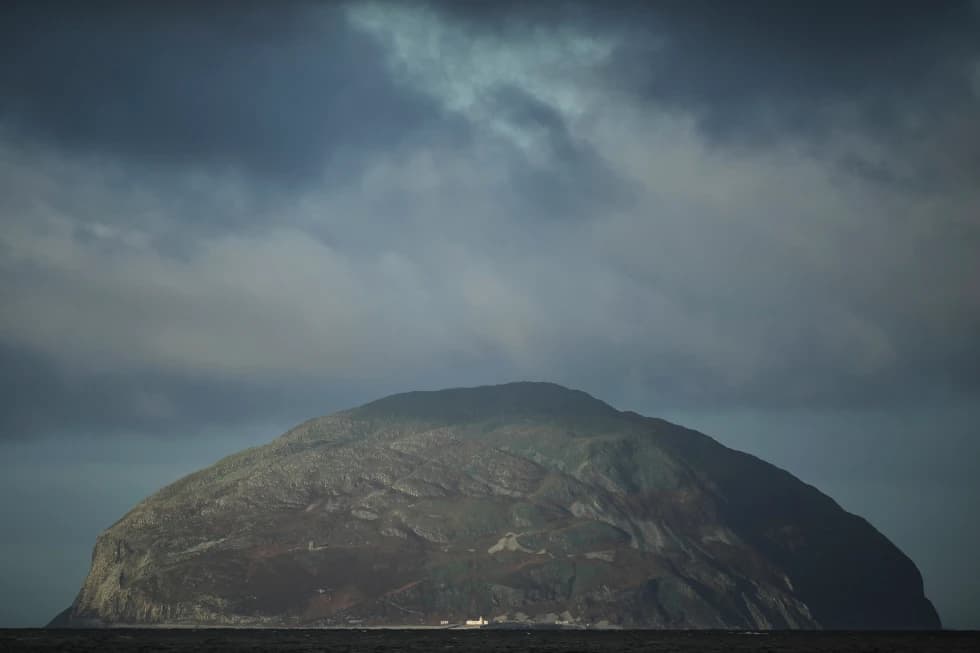
Rising dramatically from the Firth of Clyde off Scotland’s west coast, the uninhabited volcanic island of :contentReference[oaicite:1]{index=1} holds a unique and enduring place in global sport as the primary source of the rare golden granite used to manufacture the world’s finest curling stones, including those seen at the :contentReference[oaicite:2]{index=2}, despite its small size, sheer cliffs, and near-constant exposure to harsh Atlantic weather, which have left it devoid of permanent human settlement for centuries; the island’s granite, formed more than 60 million years ago through volcanic activity, is unlike most stone found elsewhere on Earth, possessing an exceptionally low water absorption rate that prevents cracking and flaking when subjected to repeated impacts, freezing temperatures, and the intense friction generated as curling stones slide across ice, qualities that are essential for a sport in which precision, consistency, and durability can determine the outcome of matches at the highest level; within Ailsa Craig itself are two primary types of granite, Blue Hone and Common Green, with Blue Hone being especially prized for its fine grain and strength, making it the preferred material for the running surface, or “running band,” of elite curling stones, while Common Green is often used for the upper portion, together creating stones capable of enduring decades of competitive play; access to this granite is tightly controlled, as Ailsa Craig is both a protected wildlife sanctuary, home to tens of thousands of seabirds such as gannets and puffins, and a site of significant geological importance, meaning quarrying occurs only intermittently and under strict regulation, with limited extractions approved during narrow windows to minimize environmental disruption; once removed, the granite is transported to mainland Scotland, most notably to workshops operated by Kays of Scotland, the historic manufacturer that has crafted the vast majority of the world’s competition curling stones since the 19th century, where skilled stonemasons shape, polish, and balance each stone by hand, adhering to exacting standards required by international governing bodies; the result is a piece of sporting equipment that blends natural history, craftsmanship, and athletic performance, as each curling stone represents millions of years of geological formation combined with hours of human labor and expertise; the island’s role in the sport has elevated Ailsa Craig from a little-known maritime landmark to a symbol recognized by curlers around the world, its silhouette instantly familiar to anyone who has watched international competition, even though few people will ever set foot on its steep, rocky slopes; historically, Ailsa Craig also served as a navigational marker for sailors and a site of occasional human activity, including brief quarrying efforts in the 19th and early 20th centuries and even a small lighthouse installation, but today it stands largely untouched, its contribution to global sport continuing quietly through the stones that glide across sheets of ice thousands of miles away; during Olympic broadcasts, commentators often reference the island’s granite as an example of curling’s deep ties to Scotland, the birthplace of the modern game, reinforcing the connection between landscape, tradition, and elite competition; as technology and materials science advance, alternative stones and synthetic experiments have been explored, yet Ailsa Craig granite remains the gold standard, valued not only for performance but also for its heritage and reliability, making it unlikely to be replaced anytime soon; in an era when many sports rely on cutting-edge composites and rapidly evolving equipment, the continued use of stone quarried from a remote, uninhabited Scottish isle serves as a reminder that sometimes the perfect material already exists in nature, shaped by time rather than technology, and that the path from a windswept volcanic island to the Olympic stage can be as remarkable as the sport itself..