





politics • Feb. 5, 2026
Trump Urges America to Move On From Epstein — But Political Fallout Persists
Trump urges move on from Jeffrey Epstein controversy
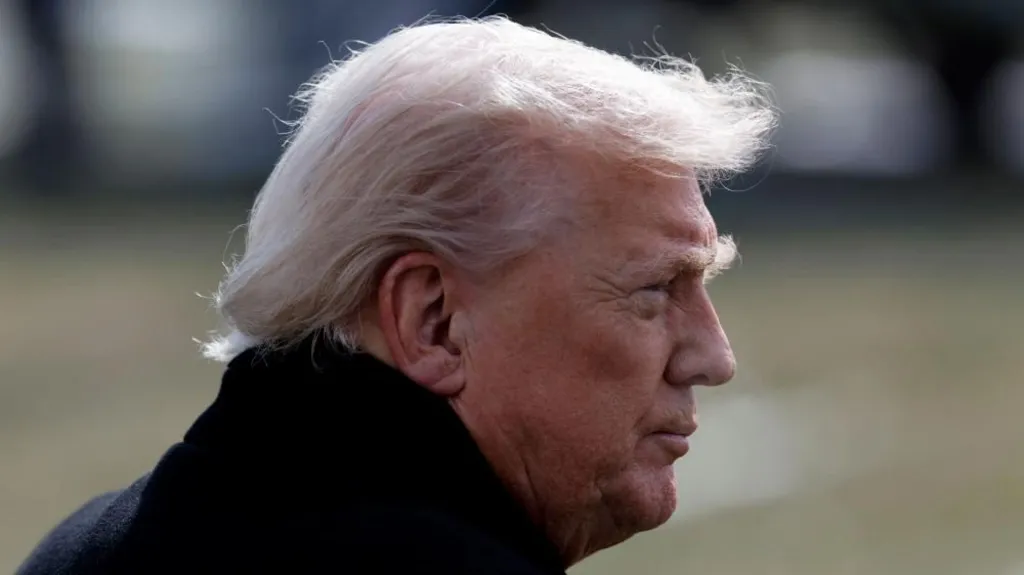

By Victor V. Haley
Published Feb. 5, 2026
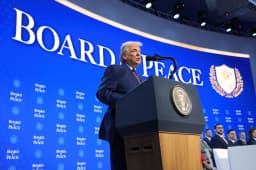
Trump’s assertion that the United States should move on from the Jeffrey Epstein scandal has intensified an already complex national debate, highlighting the enduring political, legal, and cultural weight of a case that continues to shape public trust in institutions and leadership; speaking as renewed attention focused on Epstein-related documents, historical associations, and unresolved questions surrounding past investigations, Trump framed the controversy as an issue that has been exhaustively examined and should no longer dominate public discourse, arguing that persistent focus diverts attention from pressing national challenges including economic uncertainty, geopolitical instability, immigration, and domestic governance; however, his remarks have been met with immediate resistance from political opponents, legal analysts, journalists, and victims’ advocates, many of whom contend that the Epstein case remains relevant precisely because of the systemic failures it exposed and the absence of definitive accountability for those who enabled, protected, or benefited from Epstein’s network; the financier’s 2019 death in federal custody, officially ruled a suicide, continues to fuel suspicion and speculation among segments of the public, particularly given documented lapses in prison supervision and the broader context of Epstein’s longstanding ties to influential figures across politics, business, and global elites; critics argue that calls to move on risk reinforcing a perception that powerful individuals are insulated from consequences, deepening cynicism toward law enforcement, the justice system, and political leadership; Trump’s intervention has also been interpreted through a partisan lens, with supporters viewing his comments as a pragmatic effort to close a chapter that has been repeatedly weaponised in political discourse, while detractors see them as dismissive of legitimate public concern and the experiences of survivors of sexual abuse; analysts note that the Epstein scandal has evolved beyond the specifics of one individual’s crimes, becoming a symbol of broader anxieties about corruption, secrecy, and unequal application of justice, which makes it resistant to efforts at narrative closure; the controversy’s persistence is reinforced by periodic releases of court filings, civil lawsuits, and investigative reporting that continue to shed light on Epstein’s associations and the decisions made by prosecutors, regulators, and political actors over several decades; legal experts emphasize that transparency and scrutiny are fundamental to democratic accountability, particularly in cases involving failures at multiple institutional levels, and argue that fatigue with the topic does not negate the public’s right to seek clarity; victims’ advocates stress that language urging the country to move on can be deeply alienating to survivors, many of whom believe their suffering was compounded by systems that failed to protect them or take their allegations seriously at the time; Trump’s comments have therefore reignited discussion about the balance between political forward momentum and the moral obligation to confront unresolved injustices; media scholars point out that the Epstein case remains newsworthy not only because of its sensational elements but because it intersects with enduring questions about how power operates behind closed doors and how democratic societies ensure accountability among elites; the response to Trump’s remarks illustrates how deeply embedded the scandal remains in the national consciousness, cutting across partisan lines and reflecting a broader erosion of trust in institutions; while some Americans express frustration at the repeated resurfacing of the issue, others view ongoing scrutiny as essential to restoring confidence in governance and the rule of law; as the United States approaches future electoral cycles, the Epstein controversy is likely to remain a touchstone for debates about ethics, transparency, and leadership, ensuring that efforts to declare it resolved continue to face resistance; Trump’s call to move on, rather than closing the conversation, has underscored the reality that the Epstein affair endures not simply as a historical scandal but as a living reference point for public demands for accountability, justice, and institutional reform in American society..