




politics • Dec. 17, 2025
Former Crimson Tide quarterback AJ McCarron ends campaign for Alabama lieutenant governor
Former University of Alabama quarterback AJ McCarron has ended his Republican campaign for Alabama lieutenant governor to pursue a new football-related opportunity, saying the new role will require his full focus and leaving open the possibility of future political involvement.

By Betty D. Chambers
Published Dec. 17, 2025
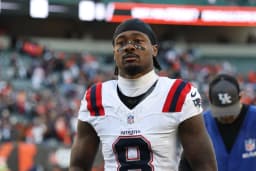
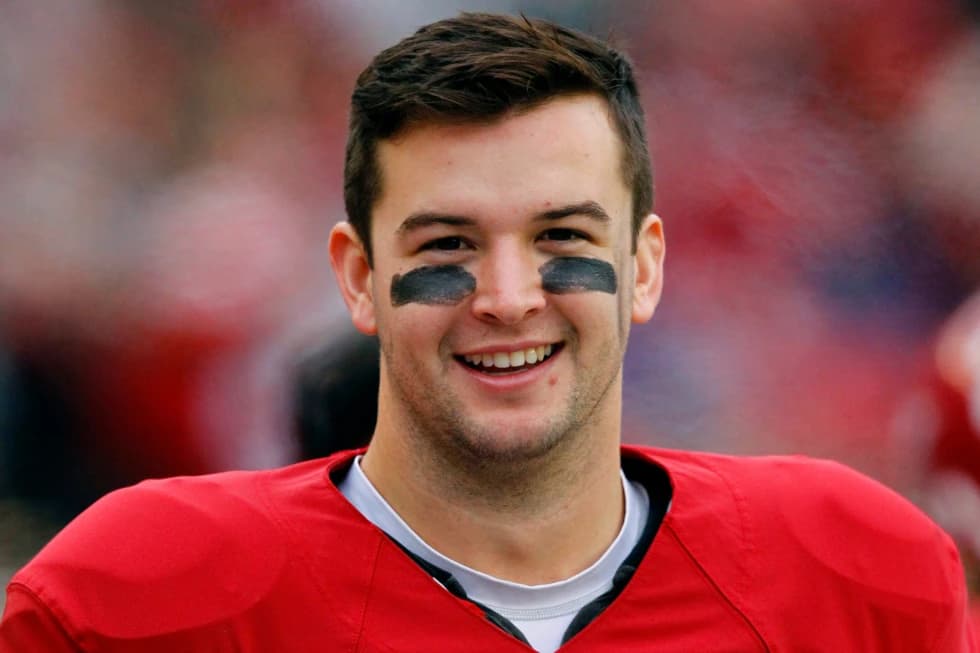
Former University of Alabama star quarterback and NFL veteran A.J. McCarron announced Wednesday that he is ending his Republican campaign for lieutenant governor of Alabama, a bid he launched in October for the 2026 election, saying that he has accepted a new football-related opportunity that will require the same “100% focus, commitment and attention” he had planned to bring to statewide office and that “football is calling my name once again,” a decision that comes just two months after McCarron, who led the Crimson Tide to back-to-back national championships in 2012 and 2013 and later played in the NFL for the Cincinnati Bengals and other teams, entered the political arena as a first-time candidate attempting to channel his sports fame into public service and advocate for conservative outsider leadership within Alabama’s Republican Party; McCarron, 35, did not disclose specific details about the new role but indicated that his departure from the campaign was driven by the demands of this opportunity, and in a statement he emphasized that his football position would require his full commitment, noting that while he had hoped to bring fresh voice and leadership to the Alabama State House, it was time to step away from the lieutenant governor’s race, a development that reshapes a primary contest that had included other Republican contenders and was set against the backdrop of an open seat due to incumbent Lieutenant Governor Will Ainsworth being term-limited, with the primary scheduled for May 19, 2026; McCarron had leaned into his outsider status when launching his campaign, registering to vote in Alabama just days before announcing his candidacy and embracing his identity as a political newcomer who believed that “it is time for political newcomers and conservative outsider candidates” to get involved, a refrain that reflected a trend of sports figures exploring political careers, including former Auburn University football coach Tommy Tuberville, who was elected to the U.S. Senate and is now running for governor, and others who have considered transitions from athletics into elective office, though McCarron’s decision to exit the race in favor of a return to football illustrates the challenges of balancing high-profile careers in both arenas; in his statement he also remarked on Montgomery’s political establishment, suggesting that the state government needed new voices and leadership and expressing support for other conservative outsiders stepping forward, and he did not entirely rule out a future return to politics, telling supporters he may choose to reenter the political playing field once his football career has “truly run its course,” language that underscores both his ongoing interest in public service and the evolving nature of his career ambitions; McCarron’s bid for lieutenant governor was notable for the attention it drew due to his athletic accomplishments and name recognition, including leading the Crimson Tide to national titles and finishing as a runner-up for the Heisman Trophy, credentials that helped raise his profile beyond the sports world, and his public announcement in October highlighted his desire to bring his fame and leadership experience to state government, a strategy that has worked for other athletes-turned-politicians in history although not without debate over the merits of celebrity versus political experience; his abrupt withdrawal from the race will likely prompt Republican voters and party officials in Alabama to reassess the lieutenant governor contest as other candidates seek to fill the void left by his departure, and it may influence discussions about the extent to which celebrity candidates can sustain political momentum when confronted with new professional opportunities; local media reports indicated McCarron had shown solid fundraising and a double-digit lead in early polls, and he often framed his campaign as one that would appeal to Alabama’s conservative base while positioning himself as a fresh alternative to career politicians, though critics questioned his relative lack of political experience and recent voter registration, topics that frequently emerge when prominent figures from outside politics seek office; as the GOP primary field recalibrates following McCarron’s exit, contenders will push forward in a race where traditional political experience, endorsements and campaign infrastructure likely remain key, even as McCarron’s statement keeps alive the possibility that he could emerge in public service again down the line; the lieutenant governor’s office in Alabama serves as the state’s second-highest executive position and plays a role in legislative affairs and as a potential future steppingstone to higher office, which means the dynamics of the race will continue to attract attention as the May 2026 primary approaches, and McCarron’s shift back to football highlights how personal priorities and professional opportunities can alter the trajectory of high-profile political bids, adding an unusual twist to the 2026 electoral cycle in a state where politics and sports often intersect and where voters watch closely how former athletes translate their leadership skills from the field to public office — a narrative thread that now includes McCarron’s decision to prioritize his return to the sport he once played at elite levels while leaving the door open for future engagement in Alabama’s political life..