






health • Dec. 15, 2025
Hundreds are quarantined in South Carolina as measles spreads in 2 US outbreaks
Hundreds of people have been quarantined in South Carolina as measles spreads across two U.S. outbreaks, raising concerns among public health officials.

By Jacqueline L. Wood
Published Dec. 15, 2025
Hundreds of people in South Carolina have been placed under quarantine as health officials work to contain a growing measles outbreak that is part of two active outbreaks currently unfolding in the United States. The highly contagious virus, which was once declared eliminated in the U.S., has resurfaced in clusters that are alarming doctors and public health experts, particularly because of declining vaccination rates in some communities. State health authorities confirmed that the quarantines were issued after confirmed measles cases were linked to schools, childcare settings, and community gatherings, where exposure risk was high and vaccination status could not always be verified.
Measles spreads through airborne particles and can remain infectious in enclosed spaces for up to two hours after an infected person leaves, making containment especially challenging once the virus begins circulating. Officials say most of those quarantined were either unvaccinated, under-vaccinated, or had unknown immunity status, prompting precautionary isolation measures to prevent further transmission. The South Carolina outbreak is one of two major measles clusters currently under investigation nationwide, with another outbreak affecting a separate region, underscoring concerns that measles is regaining a foothold in the U.S.
due to gaps in immunization coverage. Health experts emphasize that measles is not a mild childhood illness, as it can lead to severe complications including pneumonia, brain swelling, long-term neurological damage, and death, particularly among young children and immunocompromised individuals. Doctors report that even a single imported case can trigger widespread exposure events when vaccination rates fall below the threshold needed for herd immunity.
The current outbreaks have reignited debate around vaccine hesitancy and misinformation, which public health officials say continues to undermine decades of progress in disease prevention. Schools and healthcare facilities affected by the outbreak have implemented enhanced screening, contact tracing, and vaccination clinics to limit further spread. Parents of exposed children have been urged to monitor symptoms closely, including fever, cough, runny nose, conjunctivitis, and the characteristic measles rash, which typically appears several days after initial symptoms.
Quarantine orders, while disruptive, are considered one of the most effective tools to stop transmission in outbreak settings, especially when individuals may unknowingly spread the virus before symptoms fully develop. State health departments are also coordinating with the Centers for Disease Control and Prevention to track cases, identify exposure sites, and issue public advisories. Doctors warn that outbreaks like this place additional strain on healthcare systems, particularly in pediatric care, as hospitals must isolate suspected cases to prevent spread to other vulnerable patients.
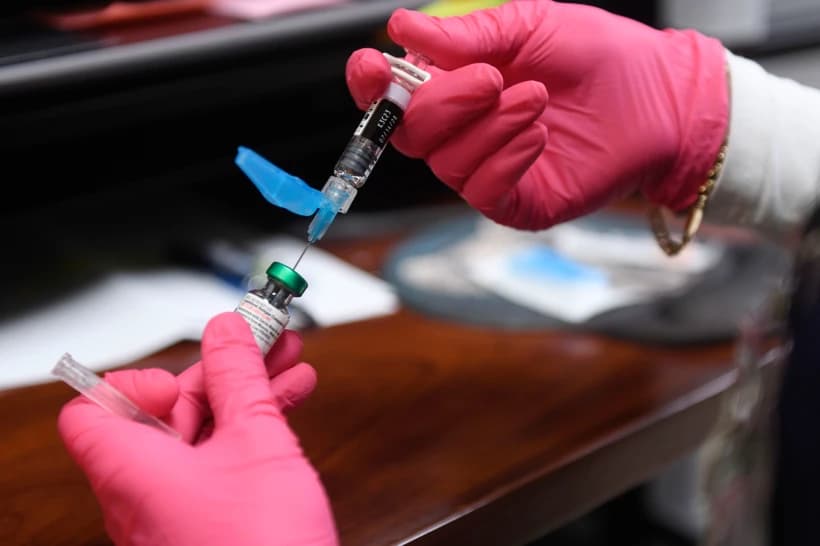
The situation also highlights broader national trends, as measles cases have increased in recent years compared to pre-pandemic levels, reversing long-standing declines achieved through widespread vaccination. Public health officials stress that the measles, mumps, and rubella (MMR) vaccine is safe, highly effective, and remains the best defense against outbreaks, with two doses providing about 97 percent protection. They urge parents and caregivers to check vaccination records and seek immunization promptly if doses were missed.
While officials remain hopeful that swift quarantines and targeted vaccination efforts will contain the South Carolina outbreak, they caution that continued vigilance is essential. The resurgence of measles serves as a warning that infectious diseases can return quickly when prevention efforts weaken, and health authorities say sustained public cooperation will determine whether these outbreaks are short-lived or become part of a troubling new pattern..