






education • Dec. 23, 2025
Brown University police chief placed on leave after fatal shooting, feds launch investigation
Brown University places its police chief on leave after a fatal shooting as federal authorities launch a civil rights investigation.

By Jacqueline L. Wood
Published Dec. 23, 2025
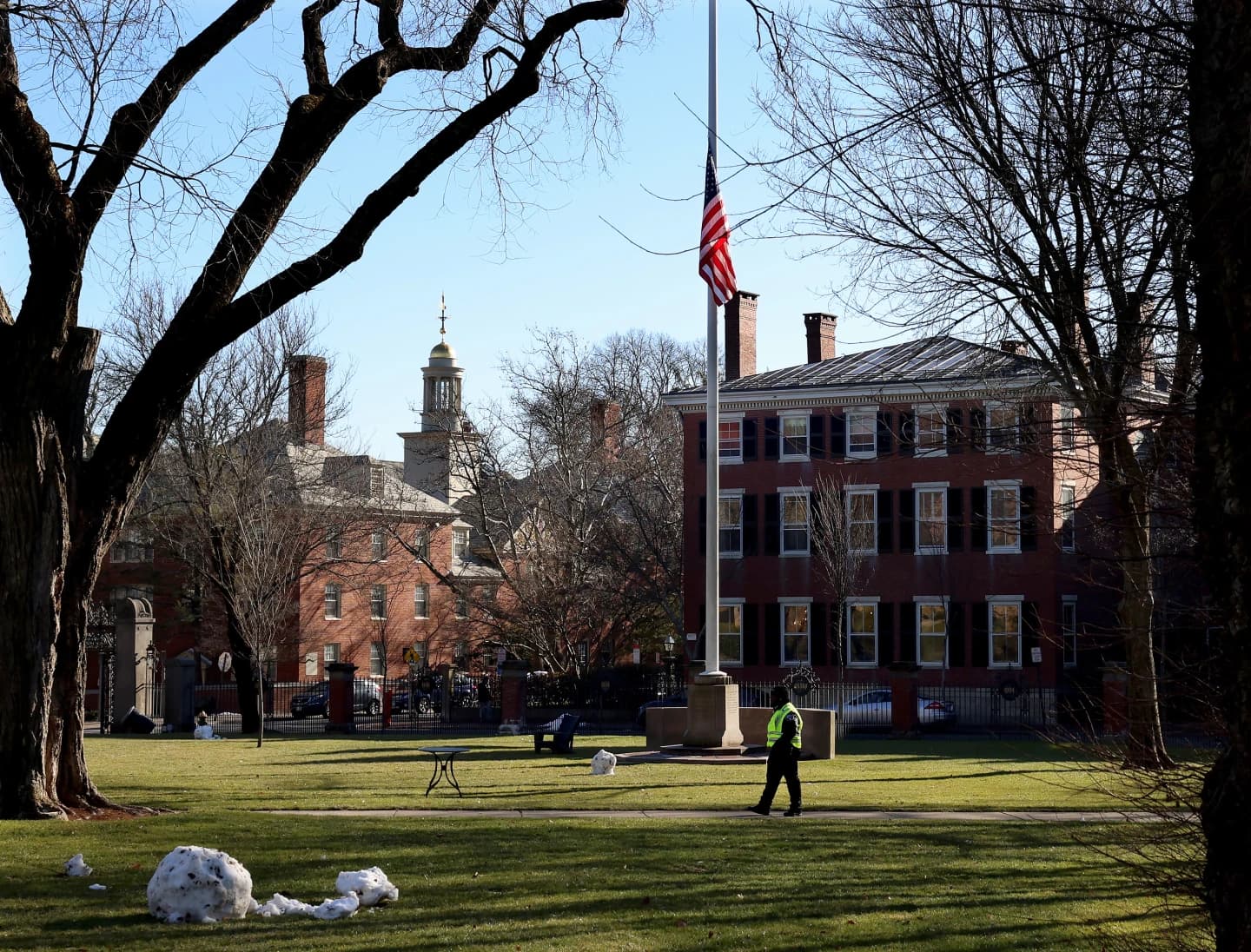
Brown University has placed its campus police chief on leave following a fatal shooting involving a university police officer, as federal authorities launch an investigation into the incident, intensifying scrutiny of campus law enforcement practices and accountability. The shooting, which resulted in the death of an individual during an encounter with campus police, has sparked widespread concern among students, faculty, and community members, raising difficult questions about the use of force, training standards, and oversight of university-affiliated police departments. University officials announced the decision to place the police chief on administrative leave as part of an internal response aimed at ensuring transparency and cooperation with the federal investigation, which is being conducted by the U.S.
Department of Justice to determine whether civil rights violations occurred. The incident has reverberated beyond the campus, drawing national attention to the role of campus police, who often operate with full law enforcement authority but are overseen by educational institutions rather than traditional municipal structures. Critics argue that this unique position can complicate accountability, particularly in high-stakes situations involving lethal force.
Students and advocacy groups have organized vigils, protests, and forums demanding answers, justice for the victim, and reforms to campus policing policies. Many have called for greater transparency regarding the circumstances of the shooting, including the events leading up to it, the officer’s actions, and whether de-escalation techniques were attempted. The university has pledged to release information as it becomes available while citing legal constraints and the need to protect the integrity of the investigation.
Federal involvement signals the seriousness of the case, as civil rights probes typically examine whether law enforcement actions violated constitutional protections, particularly regarding excessive force or discriminatory practices. Legal experts note that such investigations can take months or longer, involving interviews, forensic analysis, and review of departmental policies, training records, and prior incidents. The shooting has also reignited broader debates about the militarization of campus police and whether armed officers are appropriate in academic environments designed to foster learning and community.
Supporters of campus police argue that officers play a critical role in ensuring safety, responding to emergencies, and protecting students and staff, particularly in urban settings where campuses are integrated into surrounding communities. However, opponents contend that armed policing can escalate situations and disproportionately impact marginalized individuals, calling instead for investment in mental health services, unarmed safety officers, and community-based approaches. The decision to place the police chief on leave reflects both institutional caution and recognition of the gravity of the situation, as leadership accountability becomes a focal point in the aftermath of fatal incidents.
University administrators face pressure to balance cooperation with investigators, support for affected families, and the maintenance of campus safety, all while navigating intense public scrutiny. Faculty members have expressed concern about the emotional impact on students, particularly those from communities that have historically experienced over-policing, emphasizing the need for counseling and open dialogue. The case also highlights the growing role of federal oversight in examining local and campus law enforcement practices, particularly amid nationwide conversations about police reform and racial justice.
As the investigation unfolds, its findings could have implications not only for Brown University but for campus police departments across the country, potentially influencing policies on training, use of force, and governance. Some advocates hope the incident will prompt universities to reassess their policing models and strengthen accountability mechanisms, while others caution against drawing conclusions before all facts are known. For the family of the individual who was killed, the investigation represents a critical step toward understanding what happened and whether justice will be served.
The university community remains in a state of tension and reflection, grappling with grief, anger, and uncertainty as it awaits answers. Ultimately, the outcome of the federal investigation and the university’s response may shape trust in campus safety institutions for years to come. The incident serves as a sobering reminder of the profound consequences of police encounters and the responsibility institutions bear when law enforcement actions result in loss of life..


LEAVE A REPLY