





business • Dec. 26, 2025
Trump overturned decades of US trade policy in 2025. See the impact of his tariffs, in four charts
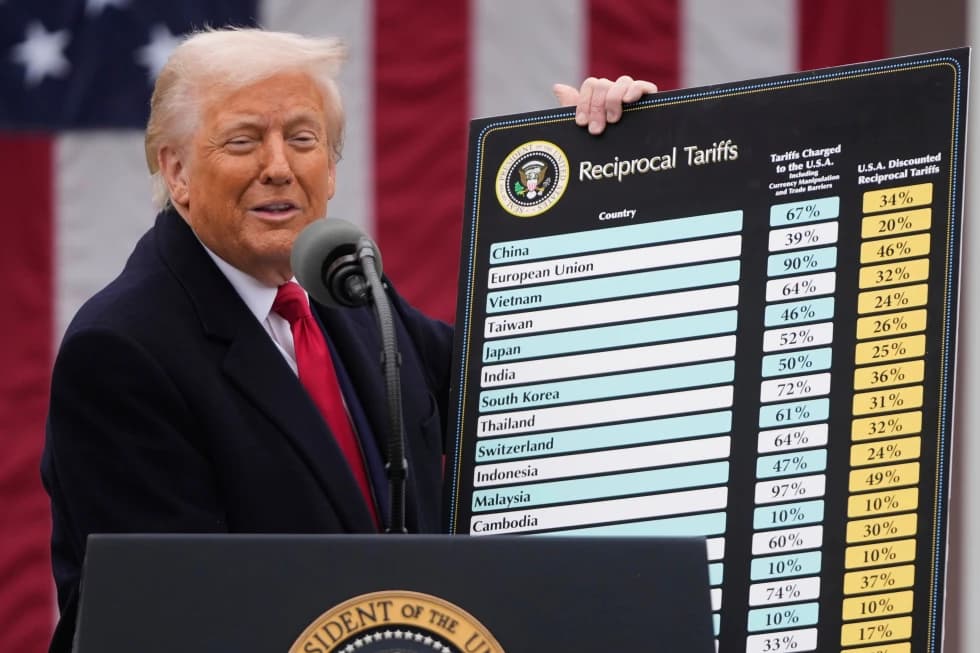
President Trump announces sweeping tariffs in the White House Rose Garden as part of his 2025 overhaul of U.S. trade policy.

By Jacqueline L. Wood
Published Dec. 26, 2025
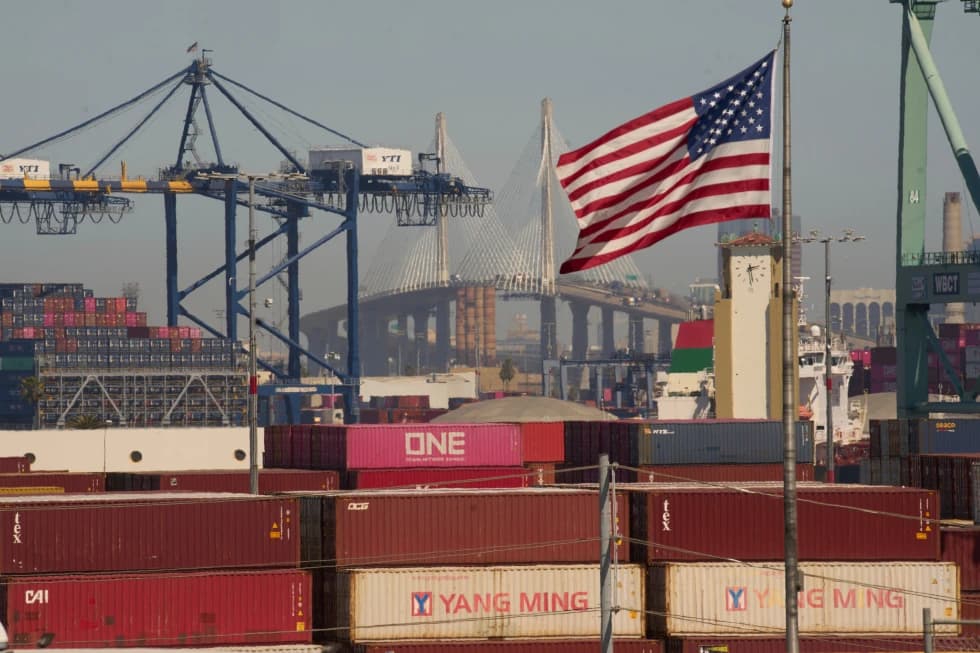
In 2025, after returning to the White House, President Donald Trump dramatically shifted the United States’ approach to trade by imposing a sweeping series of tariffs on imported goods from nearly every major trading partner, effectively overturning decades of relatively open trade policy and replacing it with what critics described as the most protectionist regime in generations; these tariff actions raised the “effective” U.S. tariff rate on imports to levels not seen since the 1930s, with average rates climbing from near historic lows to nearly 17 percent by late in the year, and specific duties imposed across a wide array of countries and products, including punitive tariffs on China reaching near 47.5 percent that contributed to a roughly 25 percent decline in Chinese imports to the U.S., and led to substantial shifts in global supply chains as firms scrambled to avoid higher costs and adjust sourcing strategies, thereby reshaping trade flows not only with China but also with other major partners such as Mexico, Vietnam, and Taiwan, where imports expanded even as those from Canada and other traditional allies contracted; while Trump and his allies argued that these tariffs would generate new revenue for the U.S. Treasury — which collected over $236 billion from duties through November — and narrow the long‑standing U.S.
trade deficit, the data presented in multiple charts revealed a more nuanced and uneven outcome, with the trade gap initially swelling to record monthly highs early in the year as firms front‑loaded imports ahead of tariff deadlines before later narrowing, and with the overall year‑to‑date deficit still running above prior years, highlighting the complex interaction between tariff policy and economic behavior; the tariff surge coincided with significant market volatility, with major stock indices like the S&P 500 experiencing some of the sharpest swings of the year as investors reacted to policy announcements, uncertainty surrounding retaliatory actions, and concerns about slower economic growth, which in turn fed into heightened financial market volatility and recession fears in certain quarters; at the same time, businesses and consumers in the U.S. felt the impact through higher import prices as firms typically passed at least part of the tariff costs on to buyers rather than absorbing them entirely themselves, contributing to localized inflationary pressure on goods that could not readily be sourced domestically, even as some manufacturers touted the potential for tariff‑induced reshoring of production; beyond price effects, the unpredictable nature of tariff announcements — with sudden impositions, temporary suspensions, and occasional reversals — exacerbated planning difficulties for companies engaged in global supply chains, prompting legal challenges and disputes over executive authority to enact such broad tariffs without clear statutory backing, leading to litigation in courts regarding the legality of certain measures; on the diplomatic front, the aggressive tariff strategy strained relations with key trading partners, prompting retaliatory duties from nations affected by U.S. tariffs and spurring negotiations aimed at mitigating trade tensions, such as discussions with India over threatened 25 percent duties and broader disputes within the framework of existing trade agreements like USMCA; in the agricultural and industrial sectors, producers faced mixed fortunes, with some benefiting from reduced international competition while others saw export opportunities diminish as foreign markets imposed their own tariffs on American products; analysts noted that while tariff revenue provided a fiscal boost and could marginally reduce the need for additional government borrowing, the broader economic consequences included uncertainty in investment planning, disrupted global production networks, and uneven effects across sectors, leading to lively debate among economists about the long‑term efficacy of such protectionist measures and their implications for global trade norms, economic growth, and U.S.
competitiveness..