






business • Dec. 28, 2025
New York subway ends its MetroCard era and switches fully to tap-and-go fares
New York City’s subway system is retiring the iconic MetroCard after more than 30 years and fully transitioning to the contactless OMNY tap‑and‑go fare payment system.

By Jacqueline L. Wood
Published Dec. 28, 2025
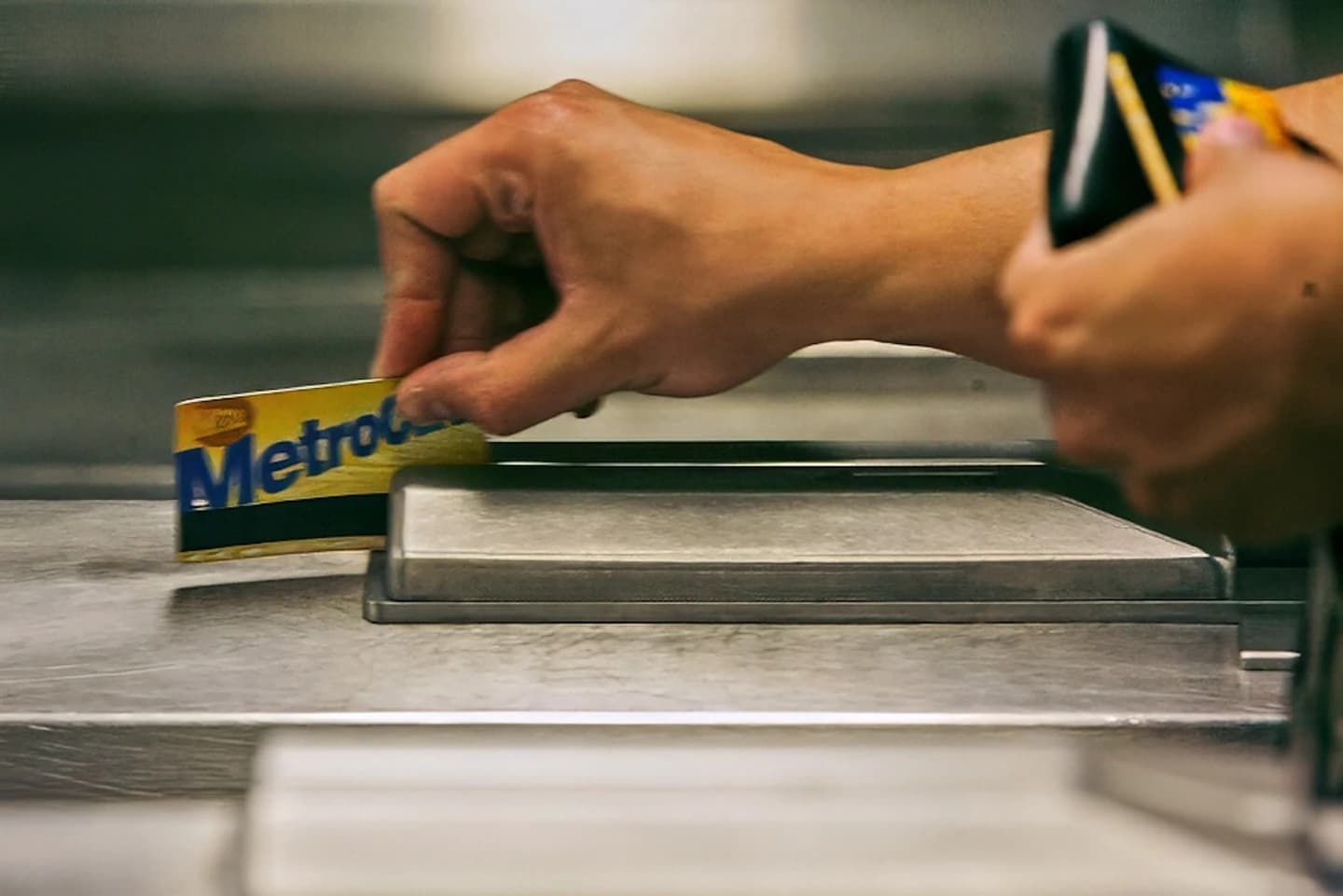
New York City’s Metropolitan Transportation Authority is bringing an end to the iconic MetroCard fare card as of December 31, 2025, marking the full transition to the OMNY contactless, tap‑and‑go fare payment system that allows riders to pay subway and bus fares using a credit card, smartphone, or other smart device and reflects years of gradual change in transit fare technology, as the MetroCard — first introduced in 1994 to replace tokens and once a symbol of modernity for one of the world’s oldest and largest transit systems — will no longer be sold or refilled after that date even though existing cards with remaining balances will remain usable into 2026, and riders who prefer a physical card can still purchase and reload an OMNY card much like the old system but benefiting from advantages such as fare capping that allows unlimited rides after paying a set number in a week, which is expected to make commuting easier for frequent riders, and helps align New York with other major cities that long ago adopted contactless payment technologies for transit; officials say more than 90 percent of subway and bus trips are already paid using OMNY since its initial rollout in 2019, demonstrating broad adoption, but there are still some riders — particularly older or less tech‑savvy commuters — who express nostalgia for the familiar swipe‑and‑swirl of the MetroCard’s magnetic stripe and concern about adapting to the new technology, which highlights the cultural as well as practical significance of the change, and transit advocates and museum curators have noted the card’s place in New York history and even dedicated exhibits to its legacy while noting how it transformed daily life by replacing the brass tokens that had endured since the 1950s; beyond sentiment, the shift to tap‑and‑go comes amid broader efforts to modernize and streamline the MTA’s systems and reduce costs associated with producing, distributing, and maintaining the older fare cards and machines, with officials estimating significant savings that can be reinvested into service and infrastructure improvements, and with OMNY’s weekly fare cap feature offering riders a modern pricing structure that automatically limits how much they pay over seven days without the need to purchase a separate unlimited pass as with the MetroCard; transit systems in cities like London and Singapore have long employed similar contactless fare technologies, and the U.S. saw other major transit agencies transition to tap‑and‑pay systems in recent years, signaling a broader shift in how urban mass transit systems handle fare collection, but the rapid pace of change has also raised questions about accessibility and equity, as some riders who lack bank cards or smart devices must rely on purchasing and managing OMNY cards, and advocates urge continued attention to inclusive options and clear communication as the transition completes, while privacy concerns have been voiced by some critics wary of increased data collection that may come with digital payment systems; the historical arc of fare payment in New York reflects broader technological and social trends, from tokens and paper tickets in the early 20th century, to the MetroCard era that introduced magnetic strip technology, to the current generation of contactless NFC‑based payments that mirror how people pay for many everyday services outside transit, and the switch invites reflection on how public infrastructure adapts to changing expectations and innovations in convenience and reliability; while many longtime riders embrace the speed and convenience of simply tapping a device or card, others reminisce about collecting special MetroCard editions that celebrated local culture and events and provided a tangible piece of the city’s everyday life, underscoring the mixed emotional response to letting go of a familiar artifact; NYCTA personnel have engaged in educational campaigns and support efforts to help riders navigate the transition smoothly, and while some glitches and complaints have surfaced as older machines are removed and riders adjust to new hardware, officials maintain that the benefits of faster boarding, reduced maintenance, and integration with modern payment ecosystems will outweigh the challenges, and that the phased approach — with MetroCards still usable into 2026 for those with remaining value — helps ease the shift; ultimately the end of the MetroCard era signals both the culmination of a multi‑year rollout of OMNY and a new chapter in New York City transit, where contactless, digital fare payment is now the standard and reflects how cities evolve and adapt in their efforts to meet the needs and expectations of the millions who depend on public transportation each day..